



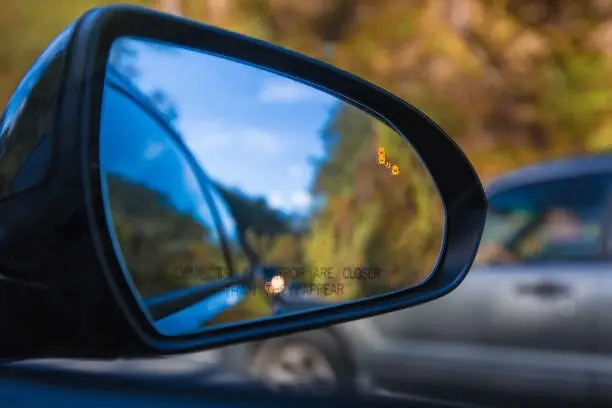
Inp.polri.go.id - Jakarta. Many motorists frequently confuse the terms "blind spot" and "black spot," treating them as interchangeable concepts. However, understanding the distinct definition of each term is vital for road safety and accident prevention.
A blind spot refers to the area surrounding a vehicle that cannot be directly seen by the driver through rear-view mirrors or line-of-sight vision. Influenced by vehicle size, cargo height, weather, and structural design, blind spots are especially large on heavy vehicles such as trucks and buses. Motorists are advised to avoid riding or driving alongside large vehicles where the driver's face is not visible in their side mirrors, either overtaking safely or maintaining a safe distance to stay out of danger zones.
Conversely, a black spot refers to a specific geographic location or stretch of road with a high historical frequency of traffic accidents. Designated by authorities based on recurring crash data, black spots typically feature sharp curves, steep downgrades, dangerous intersections, or hazardous road conditions. Drivers encountering marked black spot zones should immediately reduce speed, heighten concentration, and strictly follow posted traffic signage.
Mastering both concepts forms an essential part of defensive driving. By utilizing mirrors effectively, avoiding sudden maneuvers, and exercising extra caution near high-risk zones, motorists can s