

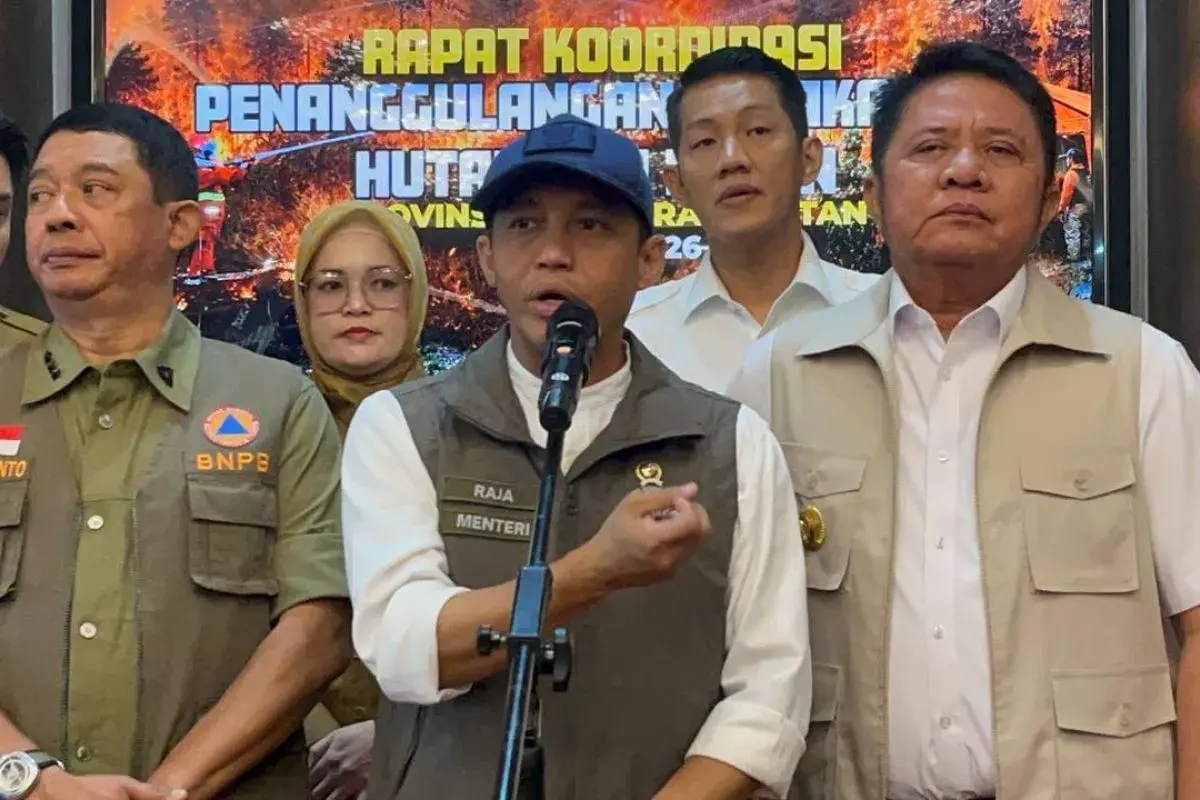
inp.polri.go.id - Palembang. The government remains vigilant against forest and land fires despite a downward trend in the number of hotspots in several regions in Indonesia.
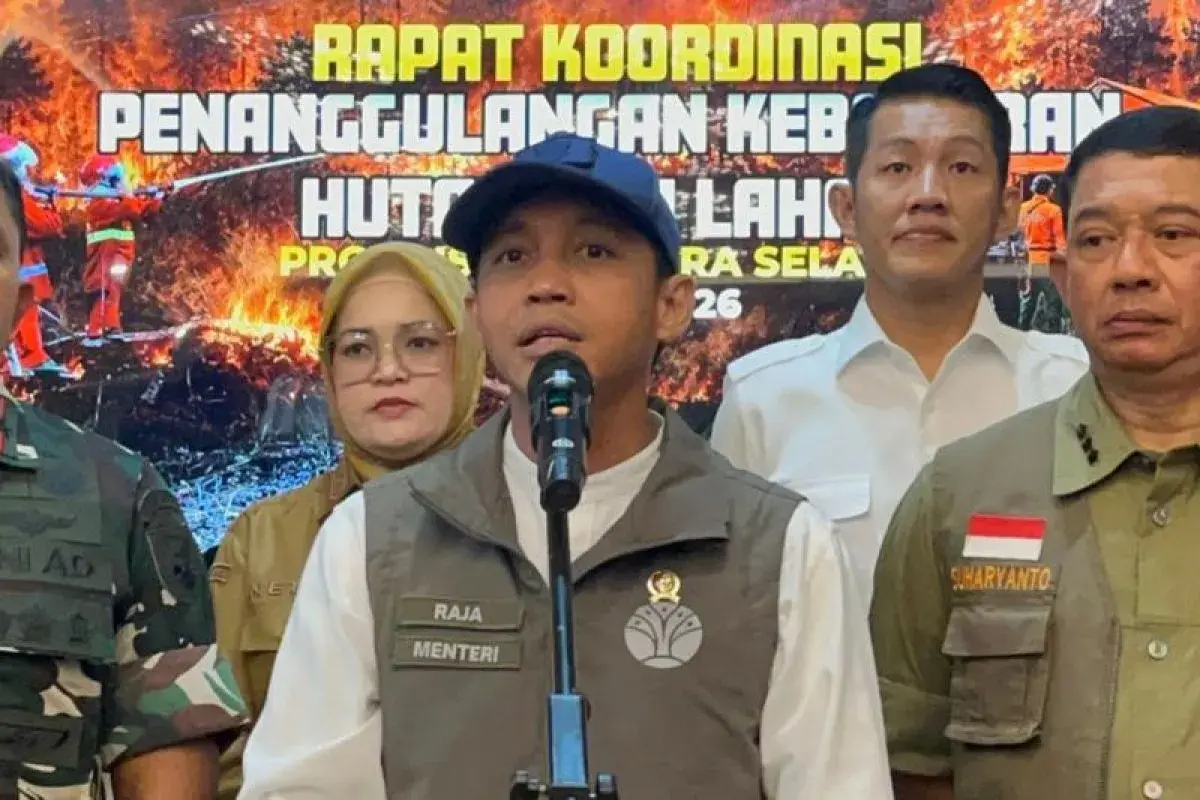
Forestry Minister Raja Juli Antoni stated in Palembang on Monday that the decline in the number of hotspots is a positive development, but not a reason to lower vigilance, as the potential for forest and land fires remains.
The decrease in the number of hotspots occurred in several areas that previously had high hotspots.
Central Kalimantan, for example, previously recorded up to 1,116 hotspots in two days, but then dropped to around 300 after joint mitigation efforts.
Furthermore, the number of hotspots in West Kalimantan also dropped from around 800 to 400. Meanwhile, Riau reportedly had no hotspots, Jambi had one, and South Sumatra also saw its number drop from 39 to 37.
However, the decline in the number of hotspots does not mean that all fires have ended, especially in areas with peatlands. Peatland fires can leave embers beneath the surface even if the flames are no longer visible.
"This doesn't mean there's no smoke at all because the nature of the hotspot is peat. Even if there's no fire, there's still smoke," he said.
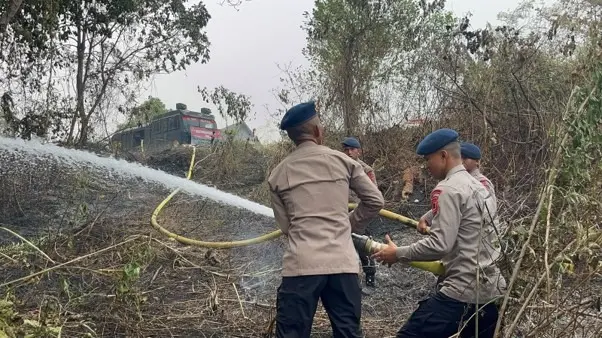
He explained that the cooling and wetting process must be carried out intensively and repeatedly to ensure that embers stored in the peat don't re-ignite as fires.
"If there's no cooling or intensive wetting, there's the potential for them to re-ignite," he said.
Meanwhile, the Head of the National Disaster Management Agency (BNPB), Suharyanto, said that hotspot data detected by satellite needs to be verified before being categorized as fires.
Verification is carried out using various means, including helicopters and drones.
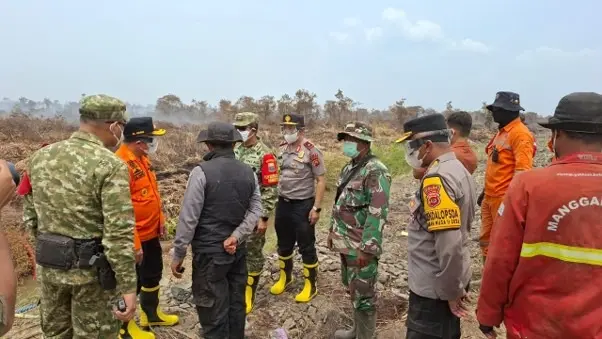
In South Sumatra, of the 37 high-energy hotspots monitored, field inspections indicate that 11 are indeed fires.
Therefore, the government is targeting the immediate control of all these fires by deploying personnel and firefighting equipment.
In addition to firefighting, the government is also preparing a weather modification operation (OMC) to capitalize on potential rain in early September.
Based on information from the Meteorology, Climatology, and Geophysics Agency (BMKG), there is potential for rain seeds on September 1–6, 2026.
(ad/inp/pr/rs)