

inp.polri.go.id - Sumedang. Home Affairs Minister Tito Karnavian emphasized that the government continues to strengthen the development and evaluation of regional heads through collaboration with various institutions as an effort to improve the integrity and governance of regional governments.
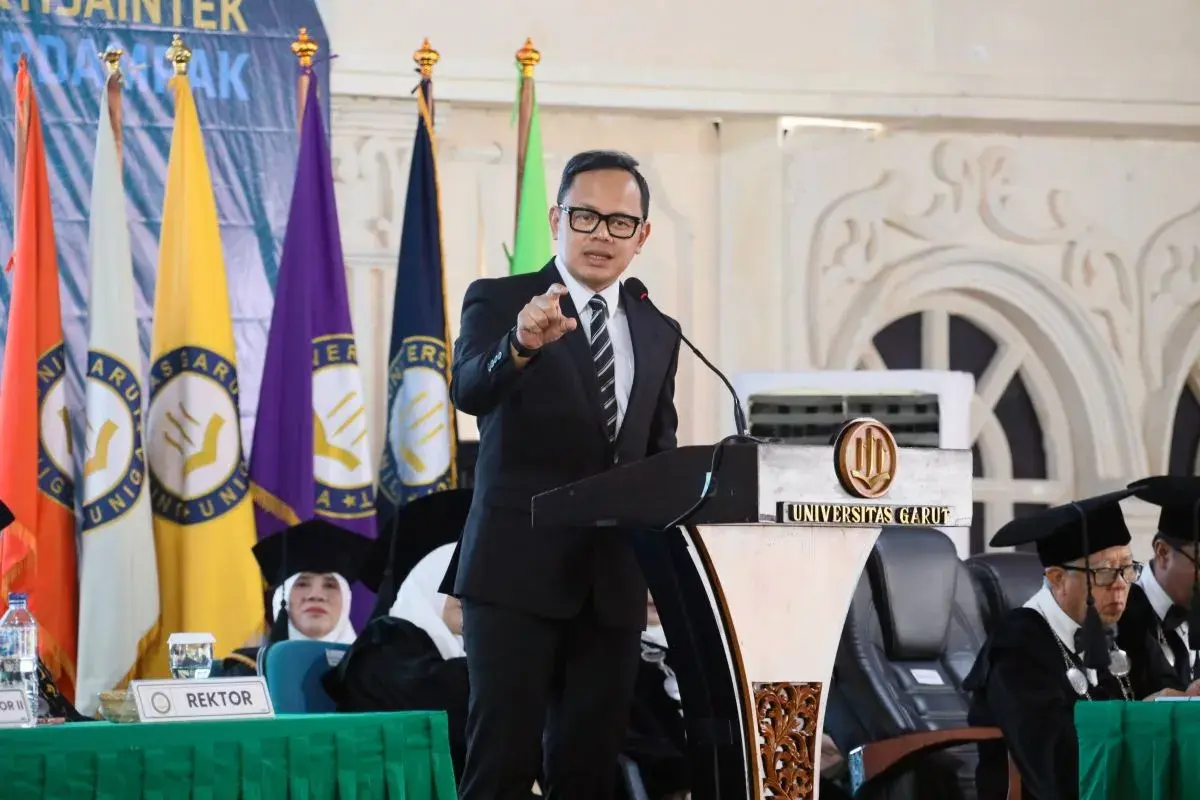
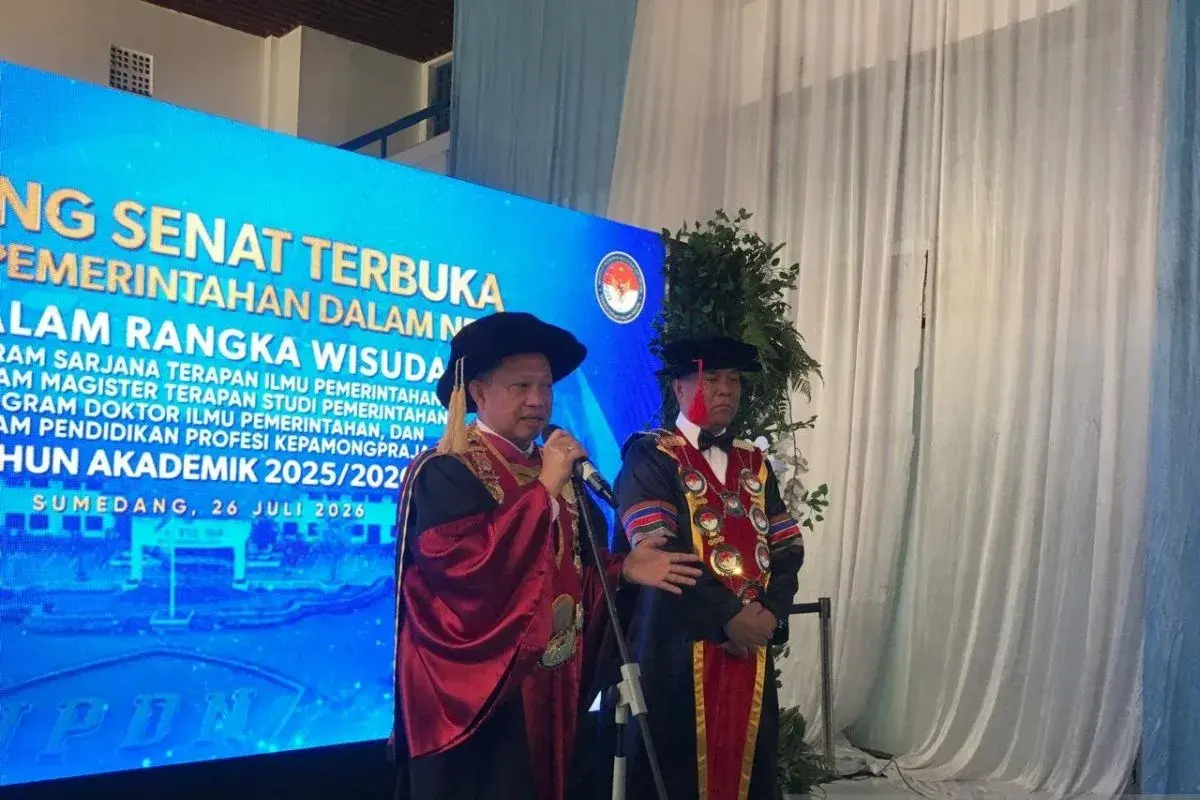
After inaugurating the graduates of the Institute of Domestic Government (IPDN) in Sumedang Regency, West Java, on Sunday (7/26/2026), Tito stated that the development is carried out through various steps, starting with providing training for regional heads after their inauguration, strengthening the oversight system, and continuing evaluation.
According to him, this mechanism is important because regional heads are directly elected by the people, making the development approach one of the government's main instruments in strengthening the capacity of regional government administrators.
He explained that the government has partnered with the Corruption Eradication Commission (KPK), the Financial and Development Supervisory Agency (BPKP), the Ombudsman, and several ministries and institutions to support the strengthening of the integrity of regional heads.
"Development begins when they pass, are elected, and are inaugurated. They are immediately held at a retreat to broaden their knowledge. The KPK, the BPKP, and the ministers also provide training to equip them with the skills to ensure they are on the same wavelength and maintain good integrity," Tito said.
In addition to providing training, the government is also developing a prevention system through the Monitoring Center for Prevention (MCP) together with the Corruption Eradication Committee (KPK) and the Regional Government Information System (SIPD) which allows for real-time monitoring of regional financial management.
Tito stated that the Ministry of Home Affairs, along with KPK, will also establish 11 development clusters in various regions.
The program involves deputy regional heads, regional apparatus organizations (OPD), regional legislative council (DPRD) leaders, and DPRD members to identify potential corruption vulnerabilities and develop preventive action plans in each region.
"This includes identifying potential corruption areas in each region and developing action plans for each region. What should they formulate? The goal is to ensure they don't act out of the ordinary," he said.
According to Tito, the government continues to evaluate regional governance as part of its development function.
(ad/inp/pr/rs)