inp.polri.go.id - Batam. The Indonesian National Police (INP) Criminal Investigation Unit continues to hunt down an international network behind several maritime drug smuggling attempts in the Riau Islands. The investigation has now expanded to include law enforcement officers from several countries.
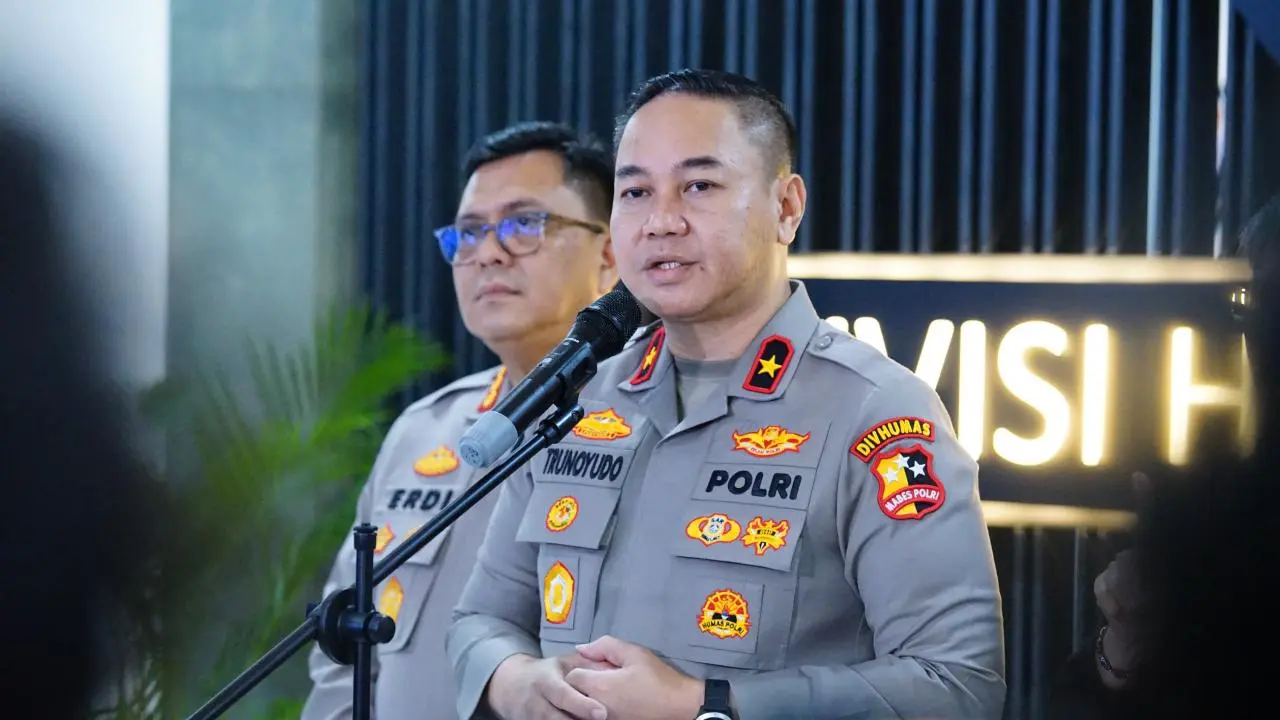
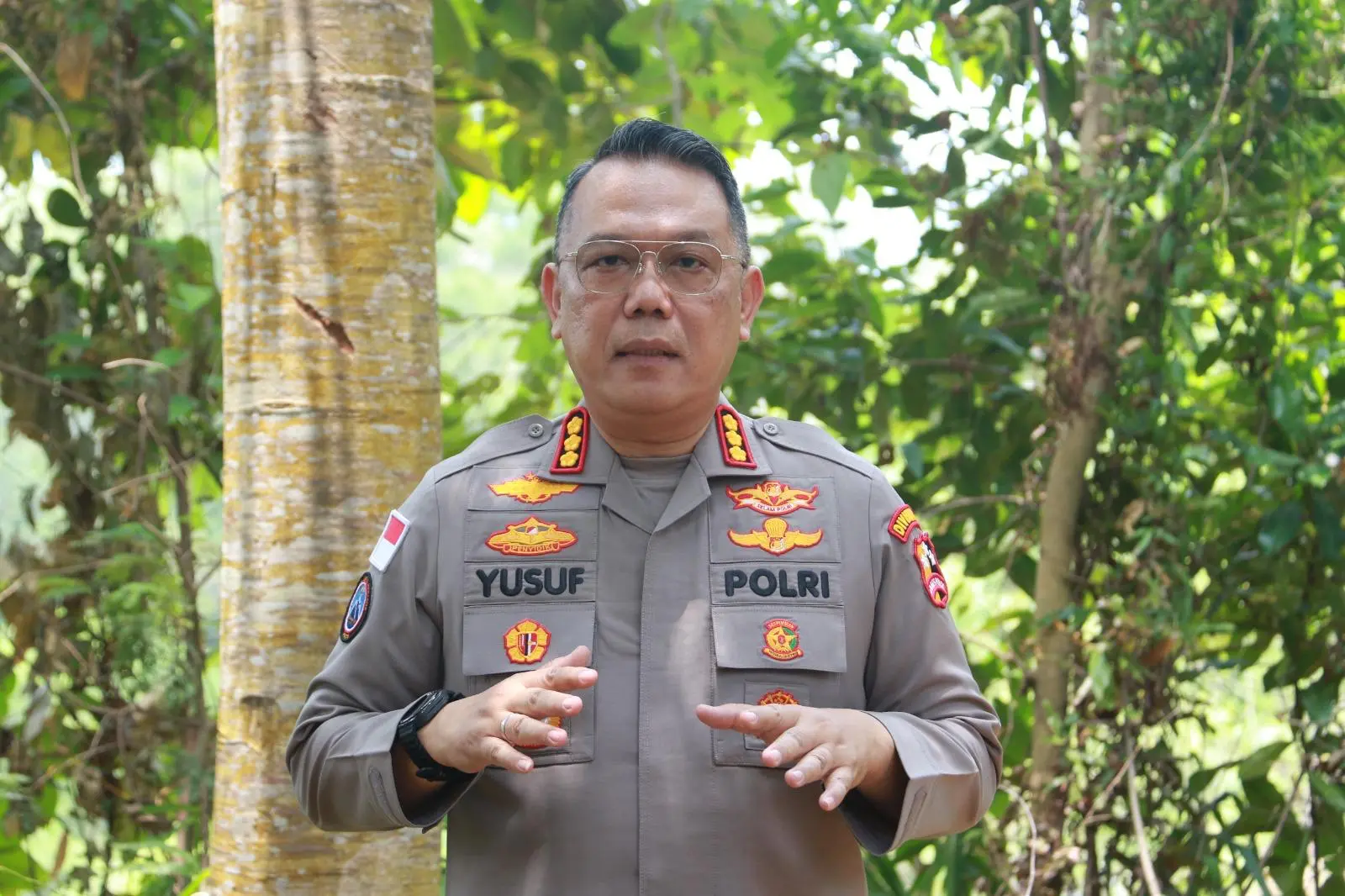
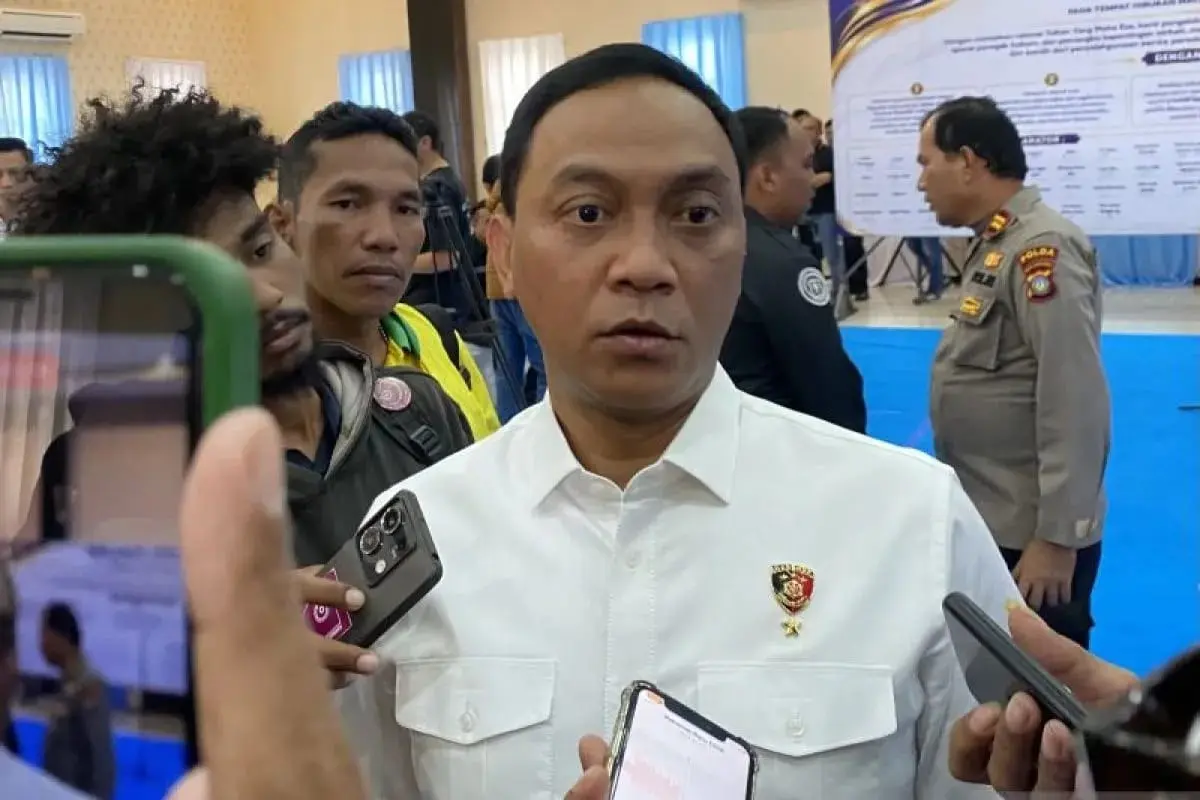
The Director of Narcotics Criminal Investigation of INP, Brigadier General Eko Hadi Santoso, stated that the investigation into narcotics cases in Riau Islands waters does not stop with the arrest of perpetrators in the field. Police are still tracking down actors suspected of controlling the network from outside Indonesia.
"The principle of investigation is a continuous one. So, what we have discovered today is also the result of data processing and investigations conducted long before. Likewise, the results of this in-depth investigation will determine the next steps in the investigation," Eko said in Batam on Tuesday (9/1/2026).
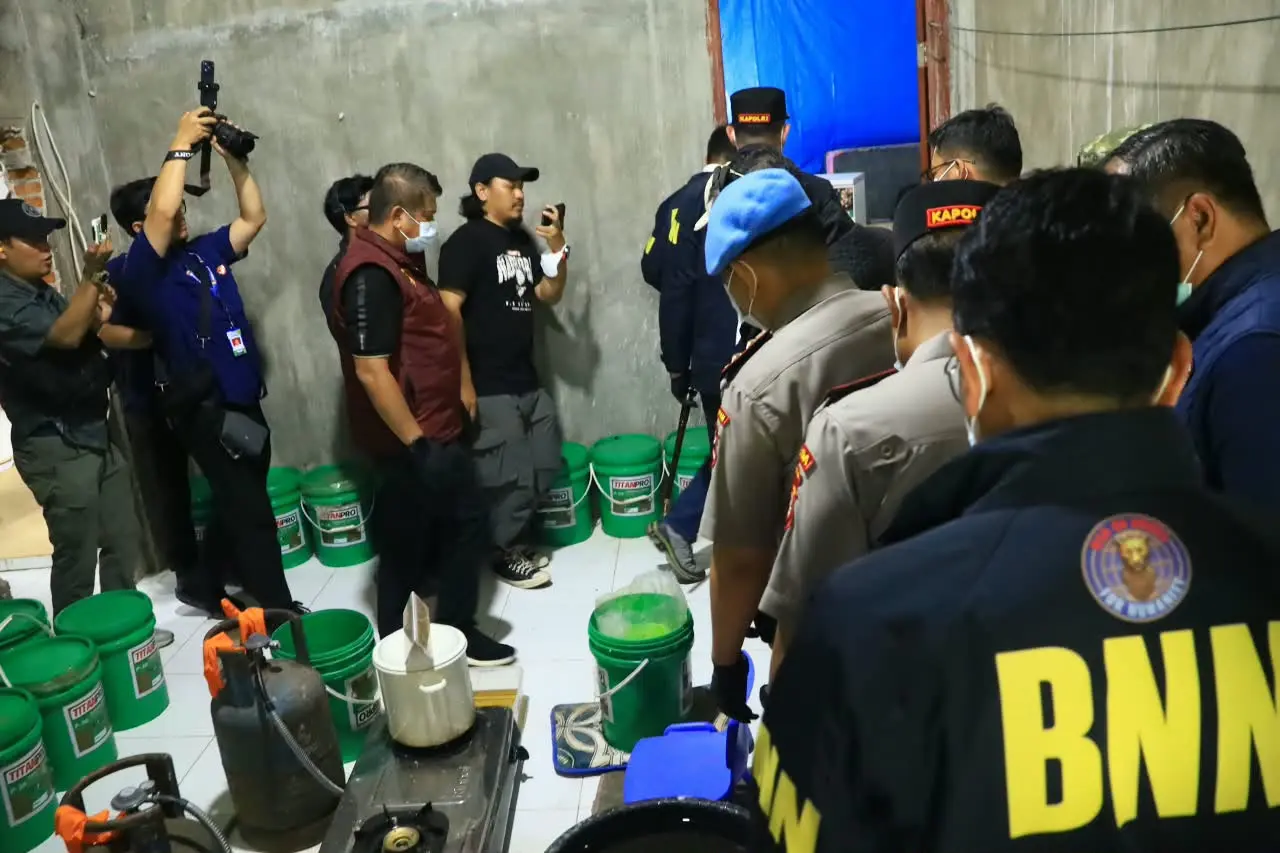
In the past month, authorities have thwarted several maritime drug smuggling attempts in the Riau Islands. These cases include the seizure of 1.3 tons of ketamine from the MV King Sun, 2.6 tons of liquid methamphetamine from the MV Ocean Porter, and 800 kilograms of ketamine from the Fu Chang Xing I.
This series of seizures is currently being investigated to uncover possible links between the cases and to map the network behind the narcotics shipments.
Eko explained that these cases are suspected to involve an international network because the movements of the vessels and their crews intersect in international waters. This situation requires cross-border cooperation in the investigation.
"Why do we call it an international network? Because the crews, their movements, and their transits are all in international waters. Therefore, we need to collaborate with law enforcement agencies or counterpart law enforcement agencies in their respective countries," he said.
INP has also established bilateral cooperation with law enforcement agencies in several countries to exchange information and track down those suspected of being behind the network.
According to Eko, the police are currently coordinating with law enforcement partners in Malaysia, Singapore, China, and several other countries.
"There are actors involved in this smuggling case, but they're not in our country. It's still being processed by several of our counterparts abroad, including in Malaysia, Singapore, China, and others," he said.
Regarding foreign vessels entering Indonesian territory, Eko said the police are still investigating whether Indonesia is the final destination for the narcotics shipments or merely being used as a transit point.
"We can't make any hypotheses yet. As long as they're within Indonesian jurisdiction, we will take action. Sometimes they're just passing through, sometimes they have a specific purpose," he said.
According to Eko, the narcotics smuggling network also uses communication and control patterns that are difficult to detect. Orders to perpetrators in the field can be given in stages, even after the vessel is mid-voyage.
Therefore, uncovering the network requires a combination of information from the field, human intelligence, intelligence technology, and information exchange with law enforcement officials from other countries.
(ad/ad/pr/rs)