
inp.polri.go.id - Jakarta. The National Commission on Human Rights (Komnas HAM) is pushing for a strengthened human rights-based approach to eradicating corruption so that law enforcement efforts also consider restoring the rights of affected communities.
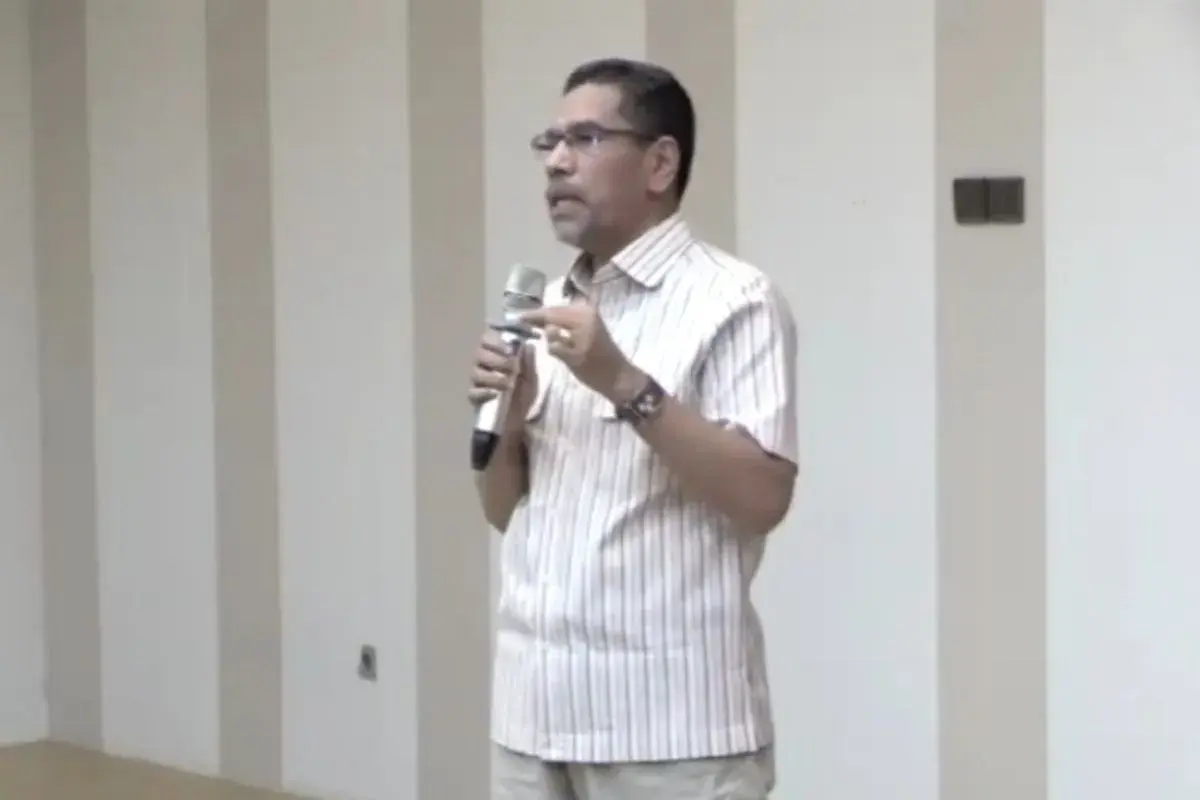
Komnas HAM member Amiruddin Al Rahab, at the launch of the study "Corruption and the Recovery of Human Rights Violations: Promoting a Human Rights-Based Approach to Corruption Eradication" in Jakarta on Tuesday (7/21/2026), stated that corruption is not only related to state financial losses but also impacts the fulfillment of citizens' rights.
"All parties must begin to realize that when corruption occurs, citizens' rights are violated. Corruption harms the state's ability to fulfill and protect citizens' rights," Amiruddin said in a statement in Jakarta on Wednesday (7/22/2026).
According to him, discussions on corruption have so far mostly developed from a criminal law perspective, while the human rights dimension still needs to be strengthened so that the impacts felt by the community can be part of the focus in handling it.
"For almost 20 years, we've been busy discussing corruption from a criminal perspective, but we haven't yet addressed the human rights issue. So, how can the government develop that perspective? If we don't recognize the extent of the problem, we'll just stop there," he said.
He explained that Komnas HAM’s study aims to broaden the perspective on corruption eradication by examining its relationship to the fulfillment of the rights to education, health, and other public services that are inherent to the community.
"Our study is important because it not only addresses corruption from a criminal perspective, but also highlights the potential for corruption to cripple the state's ability to fulfill human rights," he said.
Amiruddin also emphasized the need for further discussion on the potential impacts of human rights violations resulting from corruption as a consideration in law enforcement, as part of strengthening the deterrent effect against criminal acts of corruption.
He hopes the study's findings can provide input for various institutions, including the Corruption Eradication Commission (KPK), the Attorney General's Office, the Indonesian National Police (INP), and other stakeholders, in developing corruption eradication policies that integrate a human rights perspective.
(ad/inp/pr/rs)