



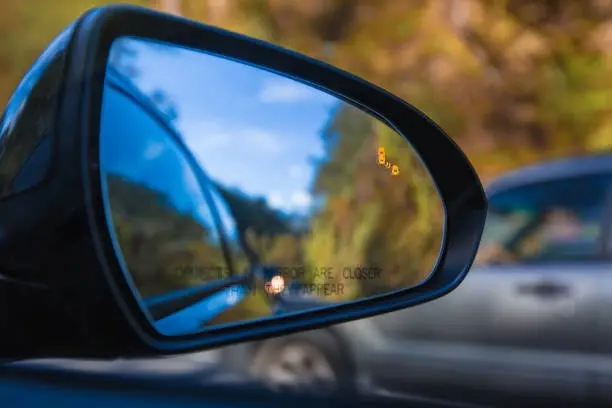
inp.polri.go.id - Jakarta. Many drivers still think the terms blind spot and black spot mean the same thing. However, they are two different terms and equally important to understand because they are closely related to driving safety and efforts to reduce the risk of accidents on the road.
A blind spot is an area that cannot be seen by the driver, either through the rearview mirror or direct vision. This condition can be influenced by vehicle design, vehicle size, load, road conditions, weather, and the presence of other vehicles obstructing the view. The risk of blind spots is generally greater in large vehicles such as trucks and buses.
Therefore, motorcyclists and car drivers are advised not to linger on the right or left side of trucks and buses. If the driver's face of a large vehicle cannot be seen through the rearview mirror, it is highly likely that the vehicle is in the blind spot. In such situations, it is advisable to immediately overtake safely or maintain a safe distance until the driver exits the blind spot.
Meanwhile, a black spot is a location with a history of high traffic accidents. These spots are usually determined based on repeated accident data, for example, on sharp bends, long descents, dangerous intersections, or high-risk road sections. Drivers need to reduce speed, increase concentration, and obey traffic signs when passing through these areas.
Understanding the differences between these terms is an essential part of a traffic safety culture. In addition to mastering good driving techniques, drivers also need to anticipate potential hazards in the surrounding environment, maintain a safe distance, use their mirrors optimally, and avoid sudden maneuvers. With increased vigilance, the risk of road accidents can be minimized.
(ad/nf/pr/rs)