inp.polri.go.id - Jakarta. The Indonesian government continues to encourage the expansion of skilled labor placement in various strategic global sectors, including the international cruise ship industry, which is considered to have a significant need for quality human resources.
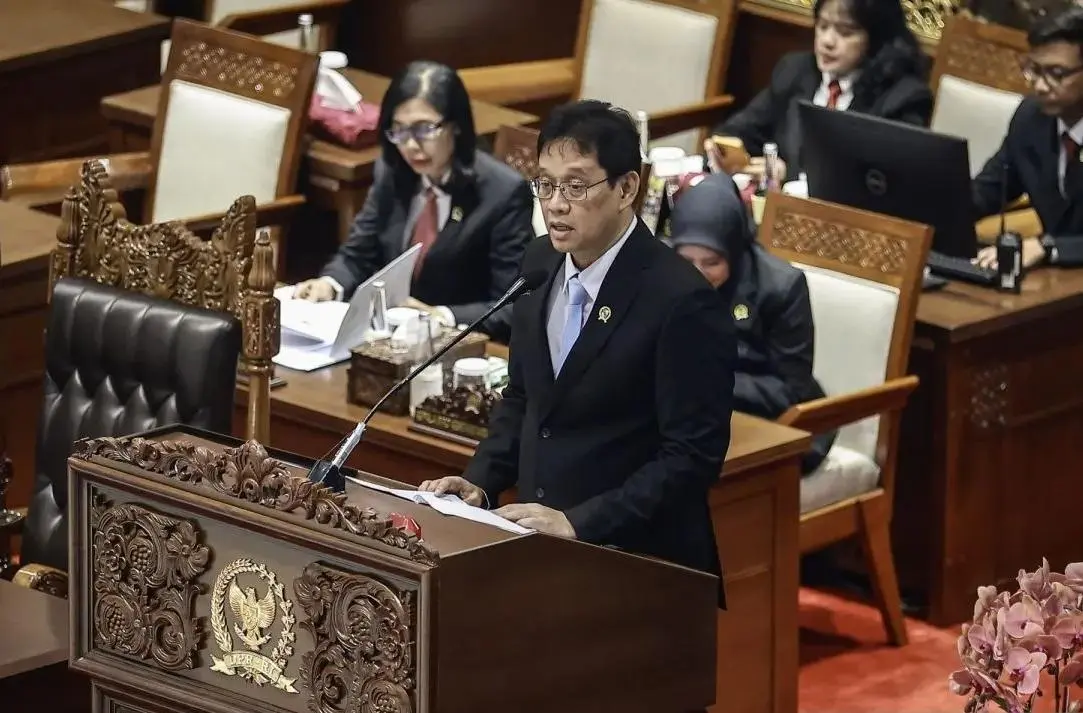
Vice Minister of Foreign Affairs, Arif Havas Oegroseno, stated that the global cruise ship industry is a continuously growing sector and requires workers in various fields such as hospitality, culinary, engineering, and operational management.
"The cruise ship industry is a global sector that continues to grow and requires qualified workers in various fields," said Arif on Wednesday (6/10/2026).
According to him, Indonesia has demonstrated its ability to produce a competent, adaptable workforce that is competitive in the international job market.
Meanwhile, Vice Minister for the Protection of Indonesian Migrant Workers, Christina Aryani, emphasized that Indonesia is ready to meet global labor needs and has a vision to develop as a global talent hub.
She explained that Indonesia has a significant human resource base, including more than 108,000 vocational high school (SMK) graduates in the hospitality industry, more than 21,000 maritime vocational school students, and more than 5,600 merchant shipping vocational high school graduates who have the potential to fill the workforce needs in the international cruise ship sector.
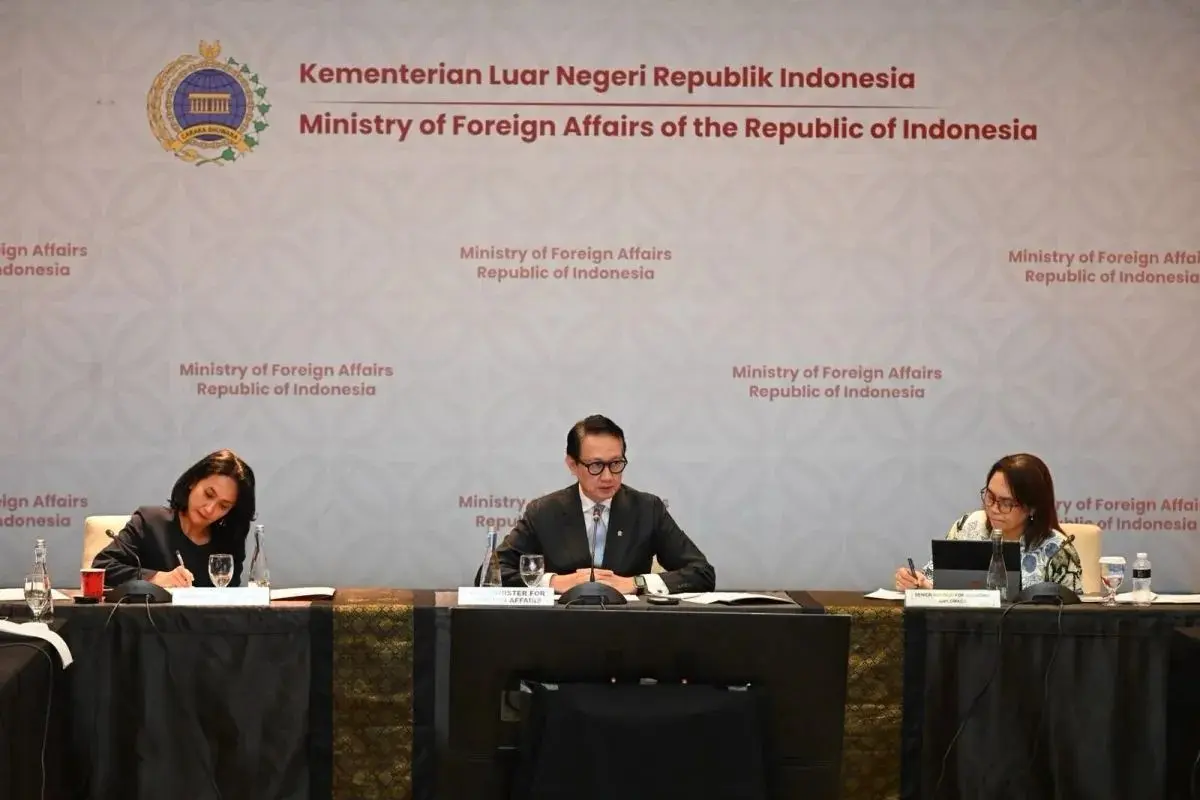
The dialogue, organized by the Ministry of Foreign Affairs, brought together representatives from partner countries' embassies, particularly from the European Union, cruise ship industry players, educational and certification institutions, and relevant ministries and institutions.
During the meeting, participants discussed various opportunities and challenges in increasing the competitiveness of the Indonesian workforce in the cruise ship industry. Some of the issues of concern included improving English language skills, strengthening the quality of vocational education and training to meet industry needs, and addressing various obstacles related to labor mobility.
Furthermore, strengthening the governance and protection of Indonesian migrant workers was also a focus of discussion to ensure the safe, legal, and sustainable labor placement process.
Ambassadors and representatives of friendly countries responded positively to the initiative. They expressed their readiness to strengthen cooperation, including in improving language competency, developing skills in accordance with international industry standards, and strengthening ties between educational and training institutions in Indonesia and industrial partners in European countries.
(ad/ndt/pr/rs)