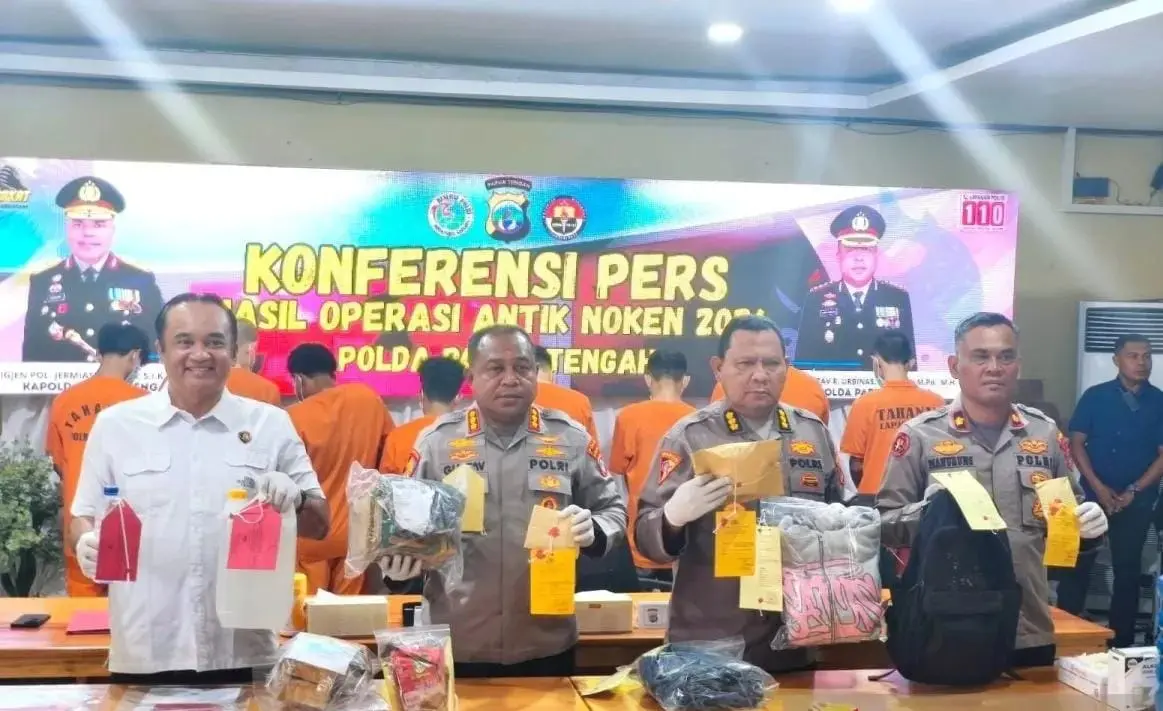

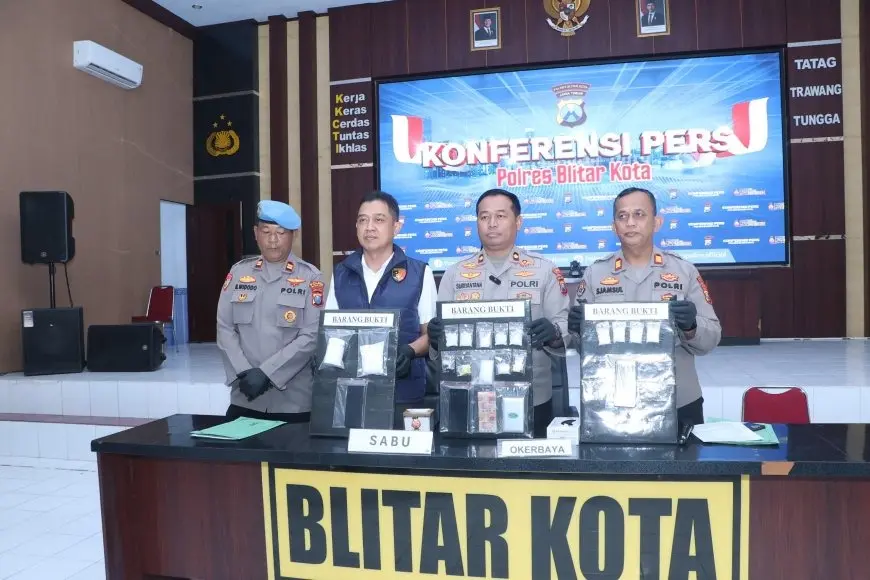
inp.polri.go.id - Nabire. The Central Papua Regional Police uncovered nine narcotics cases with 13 suspects during the 20-day Noken Anti-Narcotics Operation. One of the cases of concern involved the alleged distribution of meth controlled from within the Nabire Class II Prison.
The operation ran from September 15 to October 4, 2026, and involved 120 personnel from the Central Papua Regional Police and the sub-regional police.
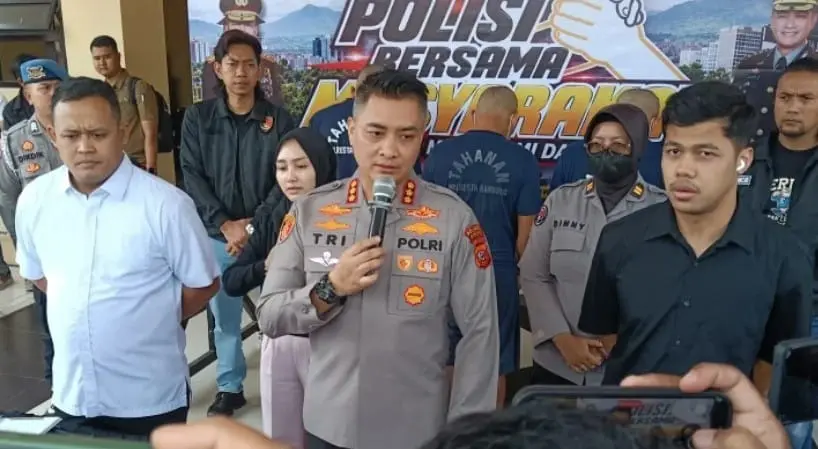
"Based on the results of the operation, we have uncovered nine narcotics cases with 13 suspects," said Vice Chief of the Central Papua Regional Police, Senior Superintendent Gustav R. Urbinas, in Nabire on Wednesday (10/7/2026).
Of the nine cases, three were handled by the Central Papua Regional Police Narcotics Directorate, two by the Nabire Sub-regional Police, and four by the Mimika Sub-regional Police.
Meanwhile, of the 13 suspects arrested, five were handled by the Central Papua Regional Police Narcotics Directorate, three by the Nabire Sub-regional Police, and five by the Mimika Sub-regional Police.
During the operation, police seized narcotics evidence in the form of 46.59 grams of crystal methamphetamine and 100.4 grams of marijuana.
Gustav stated that three cases were of particular concern in Operation Noken Anti-Narcotics. One involved the alleged distribution of crystal methamphetamine involving an inmate at Nabire Class II Prison with the initials AW and a former inmate with the initials RAT.
In another case, police arrested ST. During the arrest, officers found 43 small clear plastic packages and one medium-sized clear plastic package of Class I marijuana.
Gustav explained that the modus operandi uncovered in a number of these cases included distributing methamphetamine and marijuana for wages or profits within the jurisdiction of the Central Papua Regional Police.
All arrested suspects were processed in accordance with applicable laws and regulations.
In addition to enforcement, the Central Papua Regional Police also prioritized preventative measures through public education and outreach, mapping drug-prone areas, and strengthening cooperation with local governments and various community groups.
(ad/ad/pr/rs)