

inp.polri.go.id - Jakarta. The Head of the National Nutrition Agency (BGN), Dadan Hindayana, requires waste management for the Free Nutritious Meals (MBG) program to be based on a circular economy, with systematic, measurable, and sustainable implementation, based on BGN Regulation Number 1 of 2026.
He emphasized that waste management cannot be viewed as merely a technical matter, but rather a vital part of the program's ecosystem, which must support public health while protecting the environment.
"Waste management at Nutrition Fulfillment Service Units (SPPG) must be carried out comprehensively, from planning, implementation, monitoring, and reporting, prioritizing circular economy principles," explained Dadan on Friday (3/20/2026).
He explained that circular economy principles are key to this regulation, where waste is no longer viewed as final waste but as a resource that still has utility through recycling and reuse.
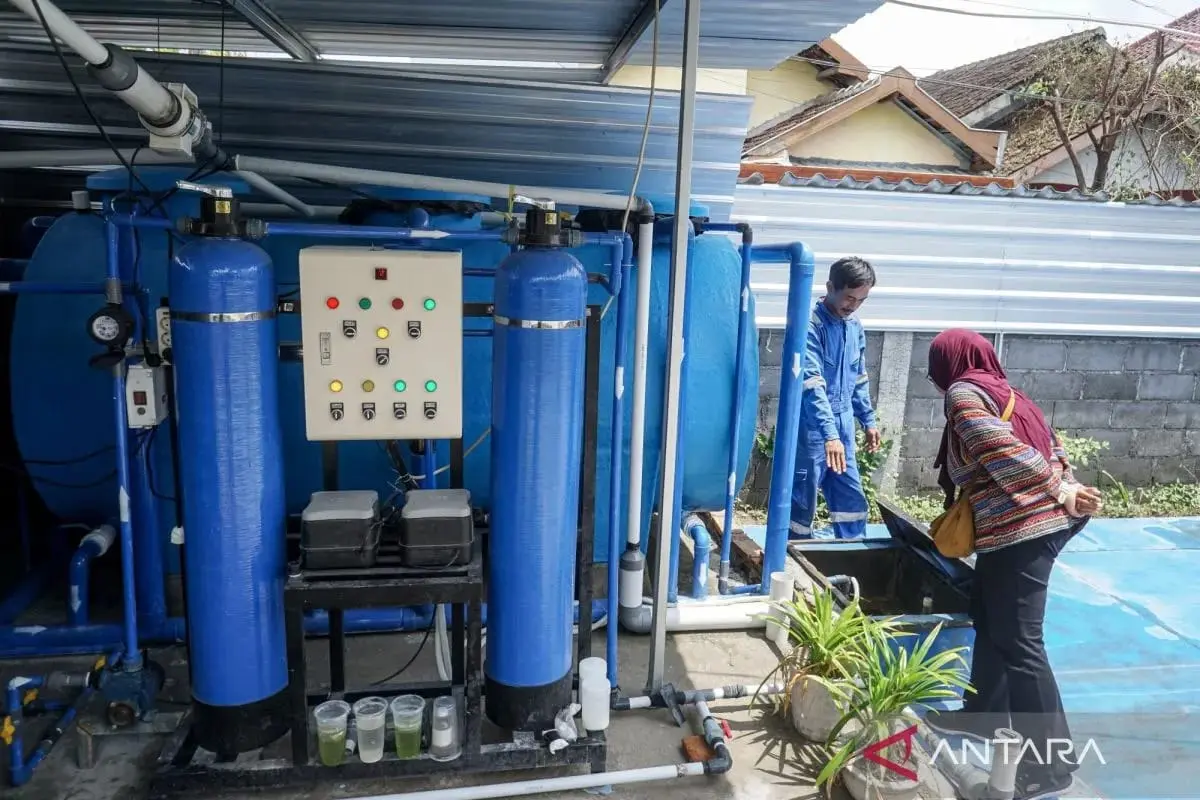
During the planning stage, each SPPG is also required to identify the potential waste it generates, including sorting waste types, preparing segregated collection facilities, and providing processing facilities such as composting and maggot cultivation.
In its implementation, Dadan emphasized the importance of education and behavioral change, both within SPPG and the beneficiary community.
Efforts to reduce waste are carried out through limiting generation, recycling, and reusing usable materials.
Furthermore, waste management includes handling processes such as sorting, collection, processing, and transportation, which must be carried out in an orderly and documented manner.
Dadan also requires regular recording and monitoring, including the collection of quantitative data on the volume or weight of waste by type. This data serves as the basis for evaluation to improve management efficiency.
"Everything must be properly recorded. From there, we can evaluate and continuously improve the system to become more efficient and minimize waste," said the Head of the BGN.
He continued, saying that waste management results must be reported to the local government as part of the transparency and accountability of program implementation.
(ad/ndt/pr/rs)