

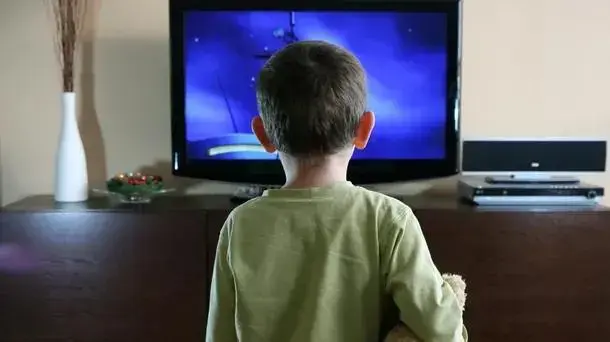
inp.polri.go.id - Jakarta. Child and Adolescent Clinical Psychologists from the University of Indonesia (UI), Ratih Zulhaqqi and Vera Itabiliana Hadiwidjojo, shared criteria for appropriate television programs for children based on their age.
"The impact of TV shows on children can be both positive and negative," said Vera Itabiliana Hadiwidjojo, contacted from Jakarta on Sunday (8/24/2025).
In her statement, she explained that appropriate programs meet several criteria: they contain positive educational and moral values, are appropriate for the child's developmental stage, and use polite and easy-to-understand language.
"Shows for children should also feature simple plots, child-friendly visuals, and not excessive conflict or visual effects," she explained.
Meanwhile, shows to avoid include those containing violence, sexual content, excessive mysticism, or antisocial behavior.
"Incorrect parenting patterns or interactions without parental guidance should also be avoided, and excessive consumer advertising, such as unhealthy food products or expensive toys, is also not good," she said.
Meanwhile, Ratih Zulhaqqi explained that a story line that's too fast is also not good, as it risks overstimulation and makes it difficult for children to differentiate between reality and fantasy.
"Children need breaks to process the information they receive. So don't watch anything that's too long, as it could lead to monotonous behavior and watching," said Ratih.
The two psychologists agreed that parents play a crucial role in shaping children's viewing habits.
They suggested several effective strategies: first, establish clear rules about screen time. For school-age children, allow 1–2 hours per day.
(ad/fa/pr/rs)