

inp.polri.go.id - Jakarta. The Head of the Indonesian National Police (INP)'s Security Maintenance Agency (Baharkam), Commissioner General Herry Heryawan, emphasized that police success is no longer measured solely by the number of law enforcement actions taken, but rather by the level of security, justice, and public trust.
According to him, the police paradigm must continue to shift from a control- and enforcement-oriented approach to prevention, problem-solving, and partnership with the community.
Herry made this statement while representing INP Chief General Suyudi Ario Seto at the launch of the Association of Police Science Studies Colleges (APIK) at the University of Indonesia, Salemba, Jakarta, on Wednesday (10/21/2026).
"The measure of police success is not the number of law enforcement actions or activities carried out, but rather the extent of their benefits to the community and public trust," he said.
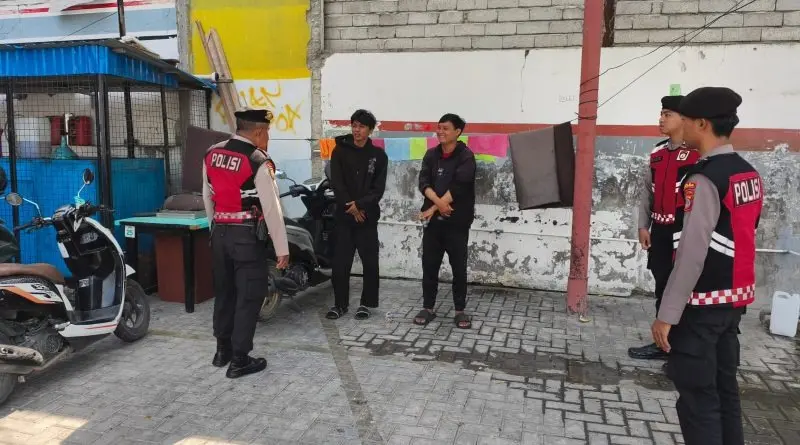
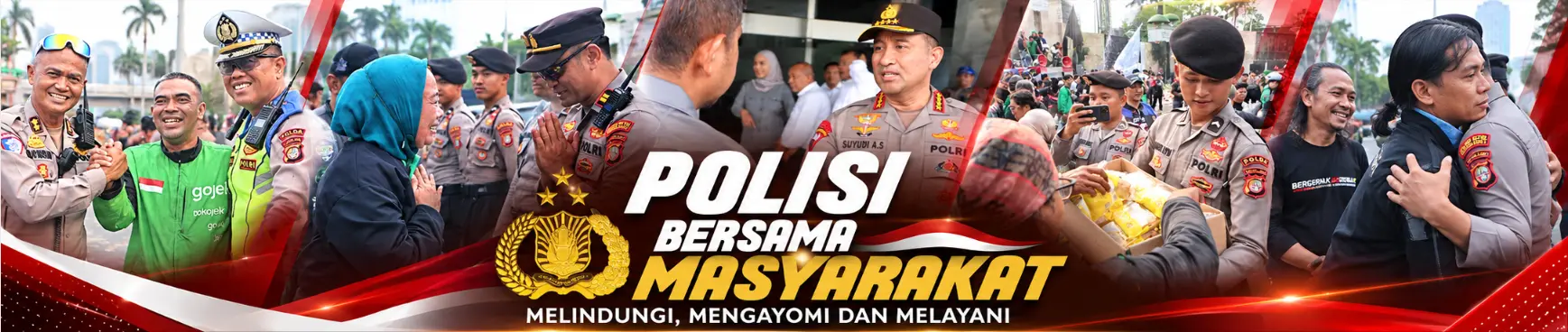
He explained that this paradigm shift is part of police efforts in implementing the tagline of "Police with the Community," which positions citizens not merely as objects of security but as partners in ensuring security.
In this approach, the police are not only present when legal violations occur. Police presence must also be able to prevent problems, build social relationships, and provide solutions to various problems faced by the community.
"Law enforcement continues, but it is placed within a broader framework, namely prevention and partnership," he explained.
Herry emphasized that security is not merely a state of being free from disturbance. Security is something that can create a social order that allows people to live and carry out their activities safely and with their rights protected.
Therefore, the police need to develop a more humanistic, democratic, and sustainable approach by making the interests of the community the primary foundation for carrying out their duties.
According to him, security cannot be built by the police alone. Technological developments, social change, inequality, and environmental crises have presented increasingly complex security challenges.
This situation demands the involvement of the government, academics, the business world, communities, and civil society in building an interconnected security ecosystem.
In this ecosystem, the police play a role as protectors, liaisons, facilitators, and law enforcers. Meanwhile, the community plays a crucial role in early detection, preventing security disturbances, and resolving social issues.
"Early detection and problem-solving are carried out together with the community, while remaining grounded in the law, respecting human rights, and accountability of authority," he said.
Furthermore, Herry assessed that police transformation requires support from the academic world, including the courage to critically and objectively evaluate police practices.
(ad/inp/pr/rs)