
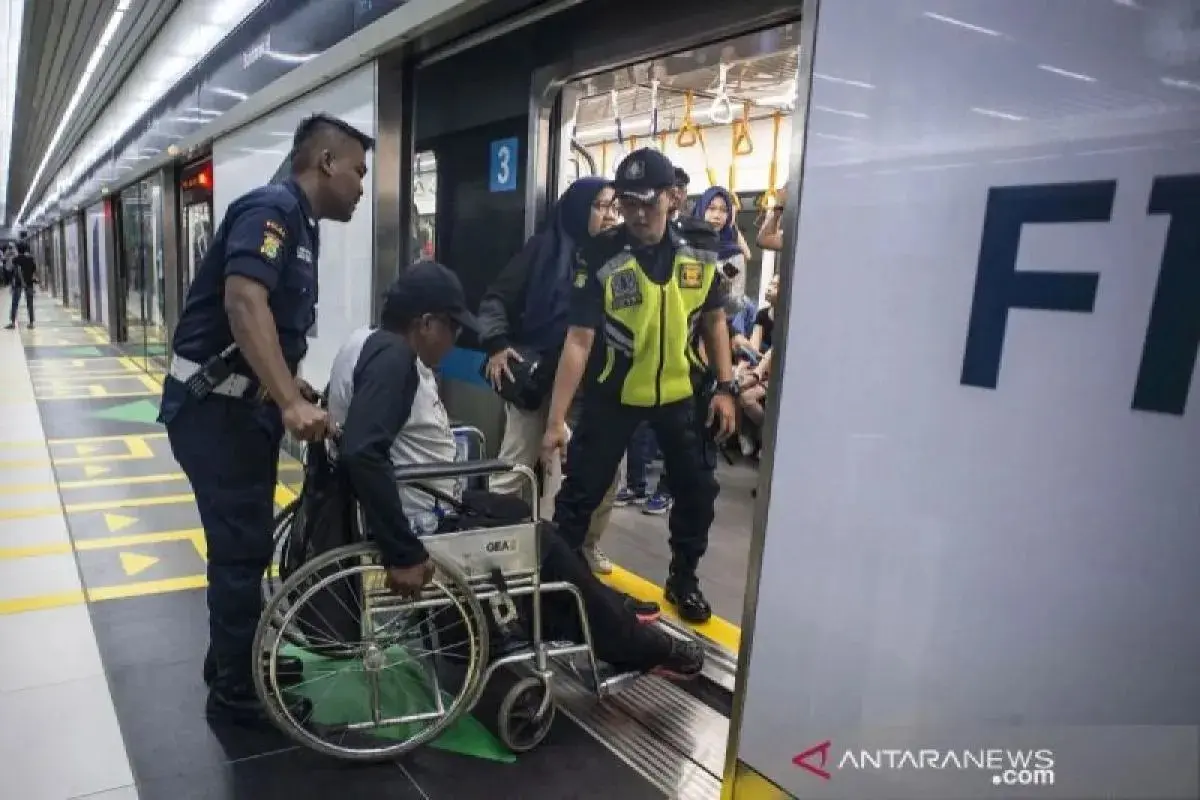
inp.polri.go.id - Jakarta. The Ministry of Transportation is strengthening inclusive transportation services for vulnerable groups, including those in remote, frontier, and outermost (3T) regions by improving accessibility, service quality, and human resource capacity.
"The Ministry of Transportation continues to strengthen its commitment to providing inclusive, friendly, and responsive public transportation services for vulnerable groups," explained Ministry Secretary General Arif Toha on Monday (5/25/2026).
He stated that transportation development is not only oriented towards infrastructure and connectivity, but must also ensure that all people have equal access to services, including people with disabilities, the elderly, women, children, and communities in 3T regions.
Arif believes that 2026 will be a critical year for transportation providers to transform their services to become more inclusive and reach all levels of society without exception.
According to him, over the past five years, the national transportation sector has recorded significant progress, both in terms of infrastructure development, improved connectivity, and the quality of services to the public.
However, the benefits of equitable transportation development are not yet fully felt by vulnerable groups, such as people with disabilities, the elderly, pregnant women, children, and people living in disadvantaged, frontier, and outermost areas.
Arif also noted that vulnerable groups still face various challenges in accessing transportation services, both in terms of facilities and infrastructure and service sensitivity.
Therefore, inclusive transportation services are a crucial need and part of fulfilling human rights.
"Vulnerable groups often face dual barriers: limited physical access and a lack of responsive service. Therefore, the theme of today's workshop, 'Good Practices for Friendly, Responsive, and Sensitive Transportation Services,' is not just a slogan," said Secretary General Arif.
(ad/ndt/pr/rs)