

inp.polri.go.id - Jakarta. The government is committed to supporting the development of the health tourism sector, including by providing special access to certain medicines used in internationally recognized hospitals and mentoring herbal MSMEs in tourist villages.
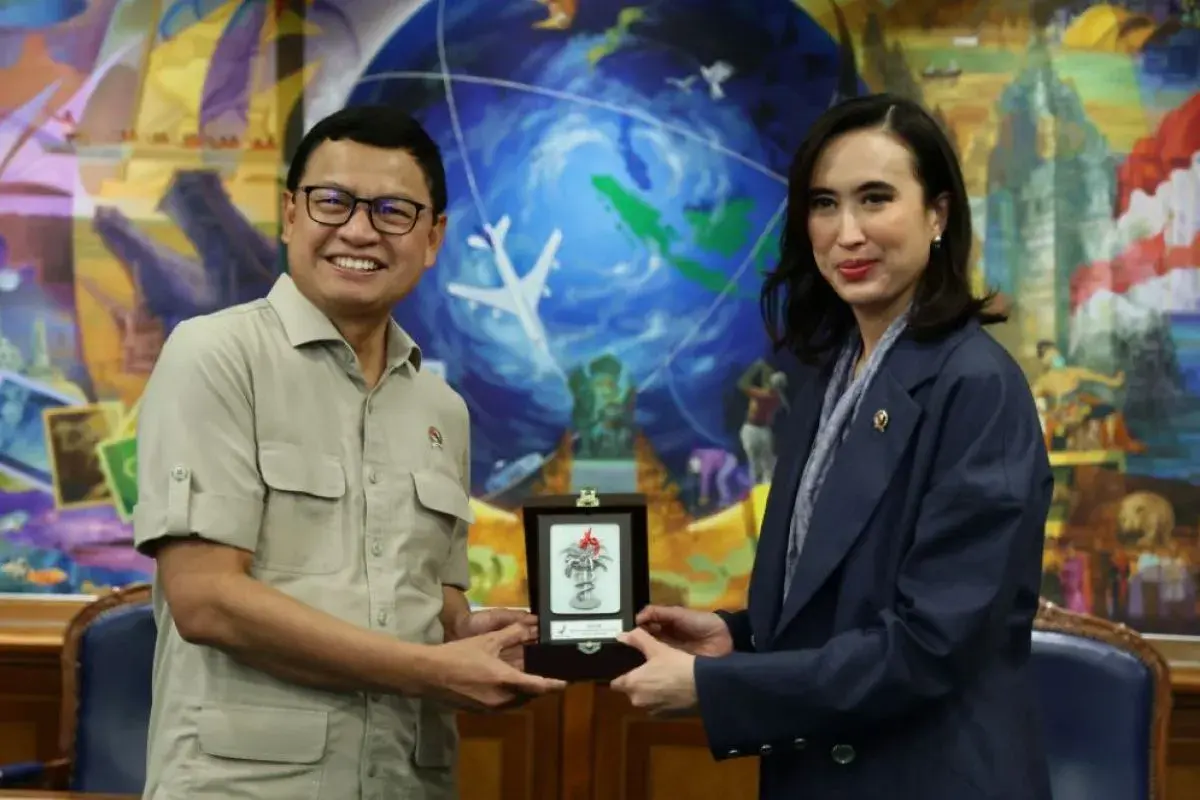
The Head of the Food and Drug Monitoring Agency (BPOM), Taruna Ikrar, stated that health tourism is considered to have significant potential to drive national economic growth.
The development of the wellness and medical tourism industries is one reason for the importance of strengthening inter-agency collaboration.
"Globally, the economic value of wellness tourism is estimated to reach US$1.08 trillion in 2026 and is projected to increase to US$2.4 trillion by 2035. Meanwhile, the medical tourism market is projected to grow from US$38.6 billion in 2026 to US$126.2 billion in 2035," he said, Jakarta, Wednesday (6/24/2026).
Since June 2025, the BPOM has issued 19 SAS approvals for various drugs, including anticancer drugs and immunoglobulins used in healthcare services in the region. He stated that every drug entering through the SAS mechanism must be traceable and used only for its approved healthcare purpose.
"BPOM fully supports the development of medical tourism in Indonesia. However, the entire process is carried out with the principle of prudence, strict supervision, and quality assurance to ensure patient safety remains the top priority,” continued Taruna.
Taruna stated that Indonesia has approximately 6,261 tourist villages, consisting of 36 independent villages, 330 developed villages, 1,015 developing villages, and 4,880 pioneering villages.
He believes that tourist villages are not only nature- and culture-based destinations, but can also develop into centers for the production of herbal medicines, herbs, and local foods, which have the potential to become health tourism with high economic value.
On the same occasion, Tourism Minister Widiyanti Putri Wardhana welcomed the opportunity for closer collaboration with BPOM. She assessed that the trend of wellness tourism continues to grow globally, giving Indonesia significant potential to become a leading destination by leveraging its rich traditional herbal medicine resources, supporting modern healthcare services, and its natural and cultural attractions.
(ad/inp/pr/rs)