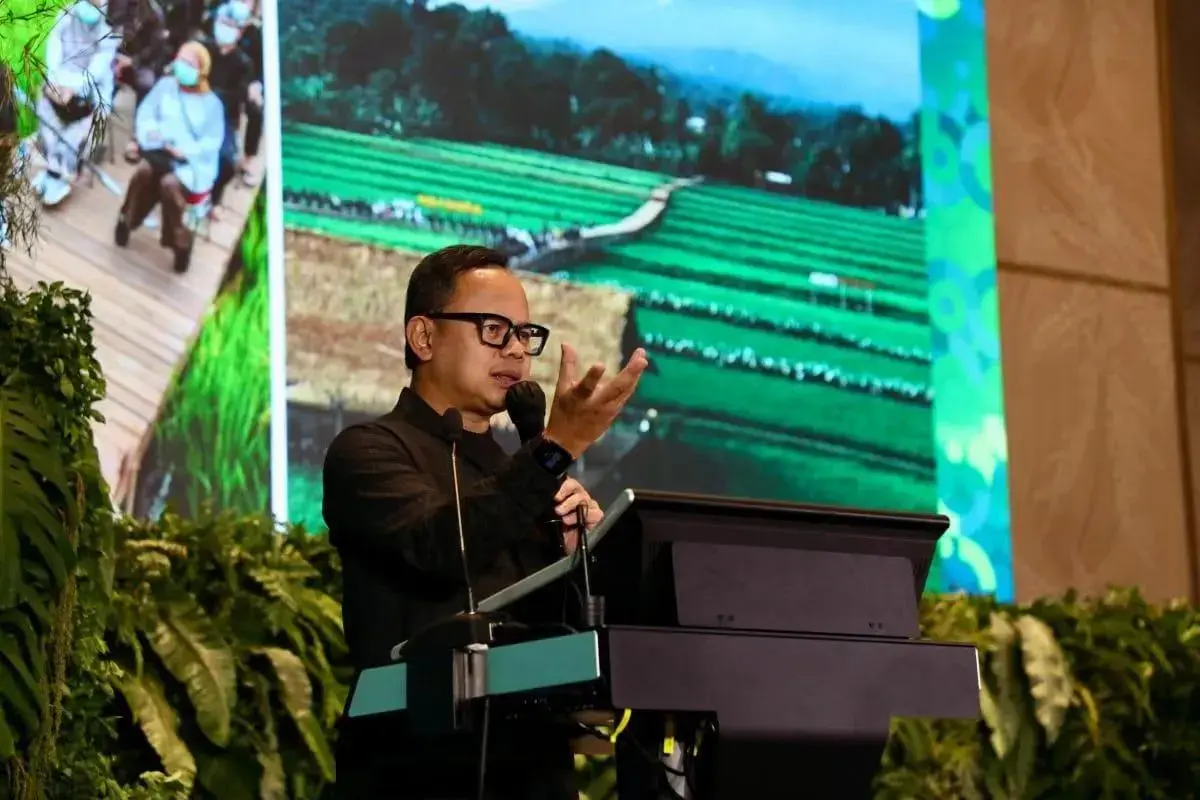
inp.polri.go.id - Jakarta. Vice Minister of Home Affairs Bima Arya Sugiarto emphasized the importance of differentiation in the development of the creative economy as a lever for the progress of the national tourism sector.
Bima mentioned that many hidden tourist destinations in Indonesia can be optimally developed if regional heads have the passion and commitment to managing their regional potential.
He also highlighted the importance of unique city branding and distinguishing one region from another. According to him, with 514 regencies/cities in Indonesia, there should be 514 potentials, 514 identities, and 514 regional characters.
"Regional image should not stagnate just because it continues to use the same tagline or imitates other regions," said the Vice Minister of Home Affairs, Monday (10/13/2025).
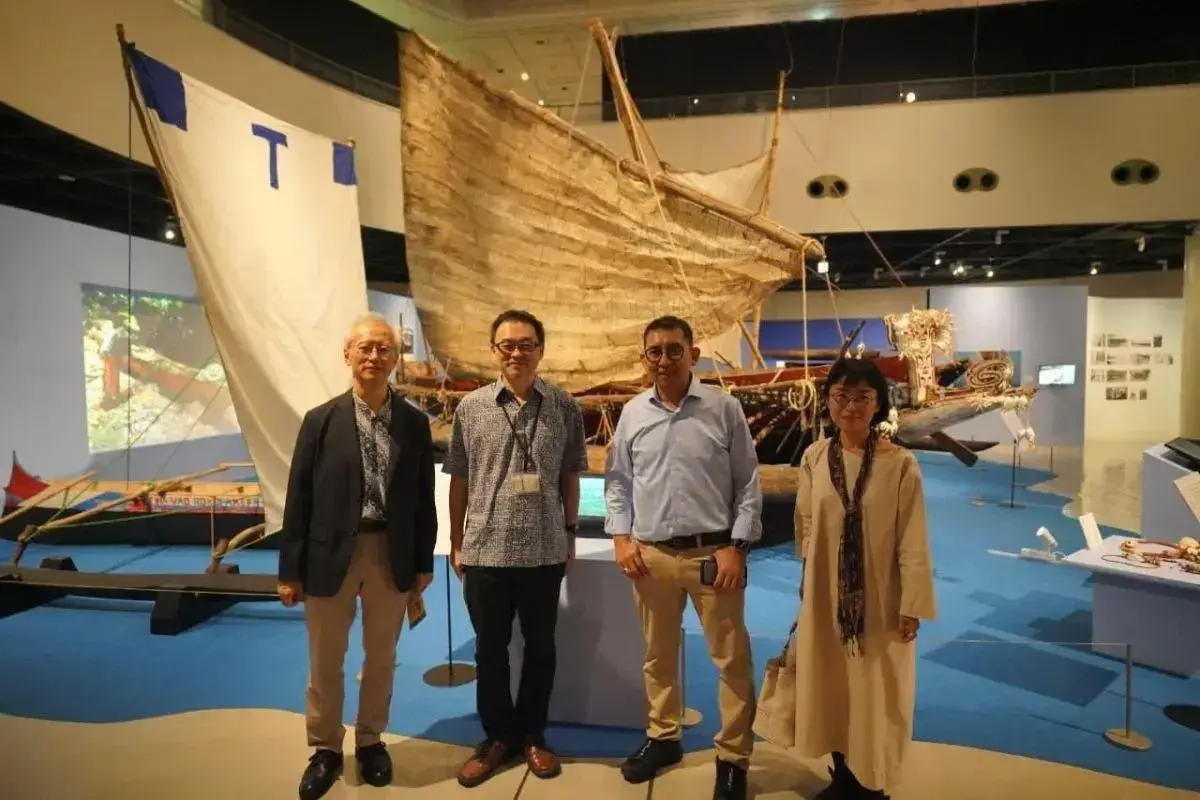
This was conveyed while delivering a keynote speech at the Top Tourism Leaders Forum event in Hall 9, Nusantara International Convention Exhibition (NICE) at Pantai Indah Kapuk (PIK) 2, Tangerang, Banten, Sunday (10/12/2025).
Bima also shared his experience building Bogor's city branding. In 2018, while still serving as Mayor of Bogor, he visited the Mulyaharja area, which boasts expanses of green rice fields with Mount Salak as a backdrop.
He dreamed of turning the area into a new tourist destination. Challenges arose because the land belonged to both residents and companies. However, thanks to dedication and collaboration, change occurred.
“We worked hard to invite the locals to be directly involved in this program. We trained the tour guides and educated the locals so they could get creative in managing the tourist destination. Back then, it was one of the poorest villages in Bogor city, but now, from this point on, young people, women, and mothers can thrive because it’s busy every weekend. They’ve created their own system,” says Bima.
The Vice Minister of Home Affairs said that experience taught him an important lesson: building a tourism ecosystem is not easy, but requires hard work from various parties to overcome cultural, structural, and infrastructural barriers.
(ad/ndt/pr/rs)