
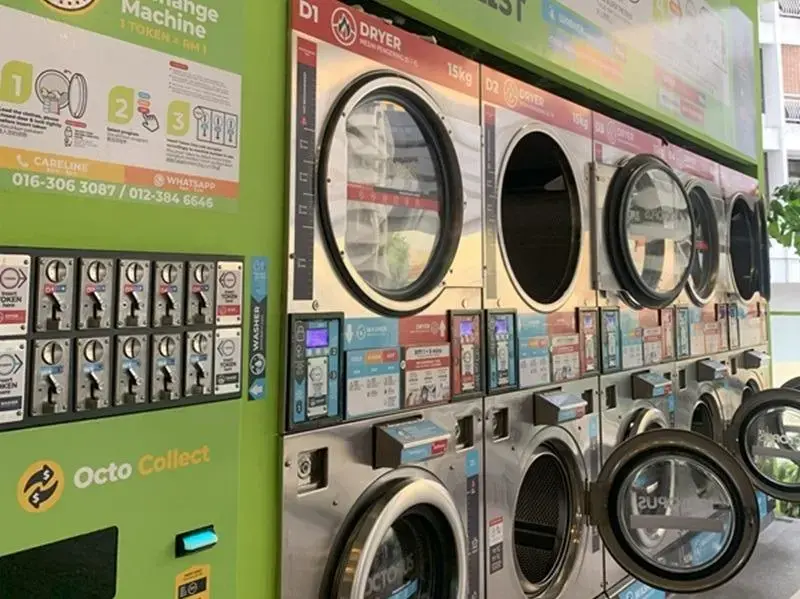
inp.polri.go.id - Jakarta. The Ministry of Micro, Small, and Medium Enterprises (MSMEs) supports the laundry service industry to boost its competitiveness, so that it can become one of the strategic service sectors and make a significant contribution to the national economy.
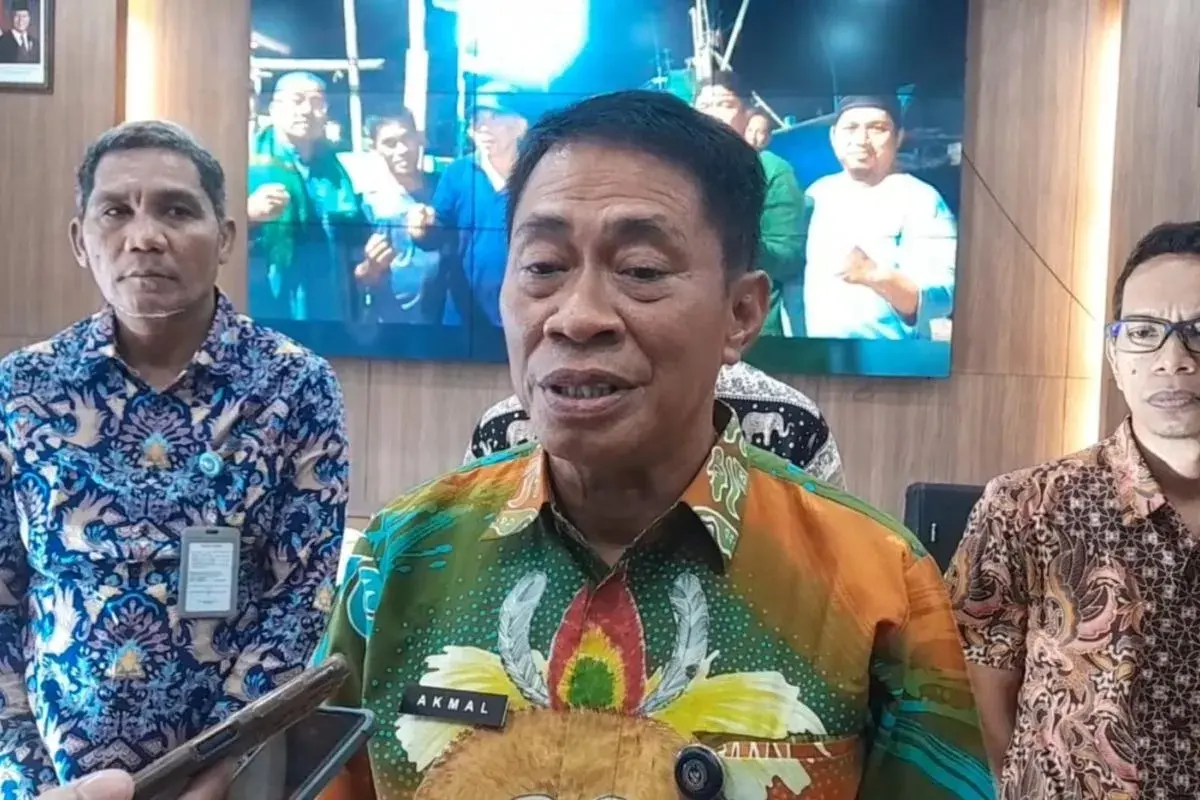
Deputy for Medium Enterprises at the Ministry of MSMEs, Temmy Satya Permana, at the 2025 Laundry Festival & Exhibition in Jakarta, advised the Indonesian Laundry Association (ASLI) to increasingly focus on empowering the lower-middle class segment to strengthen the foundation of the people's economy.
"Currently, ASLI has 21 active DPDs (regional leadership councils) spread across all provinces, with more than 1,800 official members," said Temmy.
Temmy said that currently the laundry industry that is part of the ASLI network has absorbed around 34,000 workers, both formal and informal.
"This proves that the laundry business is not just a side business, but an important part of the national MSME ecosystem," he said.
He also mentioned that the growth of this sector is shown by an average increase in membership of 20 percent every year. This figure, he said, reflects the attractiveness, trust, and prospects of the laundry business as a modern service sector.
"With this development, the laundry industry is not only opening up opportunities and chances, but also building a competitive service ecosystem," he said.
According to Temmy, currently, Indonesian laundry entrepreneurs face various challenges such as standardization of services and competencies, waste management, access to inclusive financing and KUR (People's Business Credit), and service digitalization to improve efficiency and customer satisfaction.
"Through programs like SBL (Laundry Business School), I see a great enthusiasm to elevate this business to be more professional, competitive, and able to meet global challenges," he said.
Temy said the Ministry of MSMEs is ready to synergize with ASLI to support access to financing through the collateral-free KUR scheme for MSME entrepreneurs, encourage more environmentally friendly laundry waste management through joint Waste Processing Units, and integrate laundry digitalization into the national MSME digital ecosystem.
(ad/ac/pr/rs)