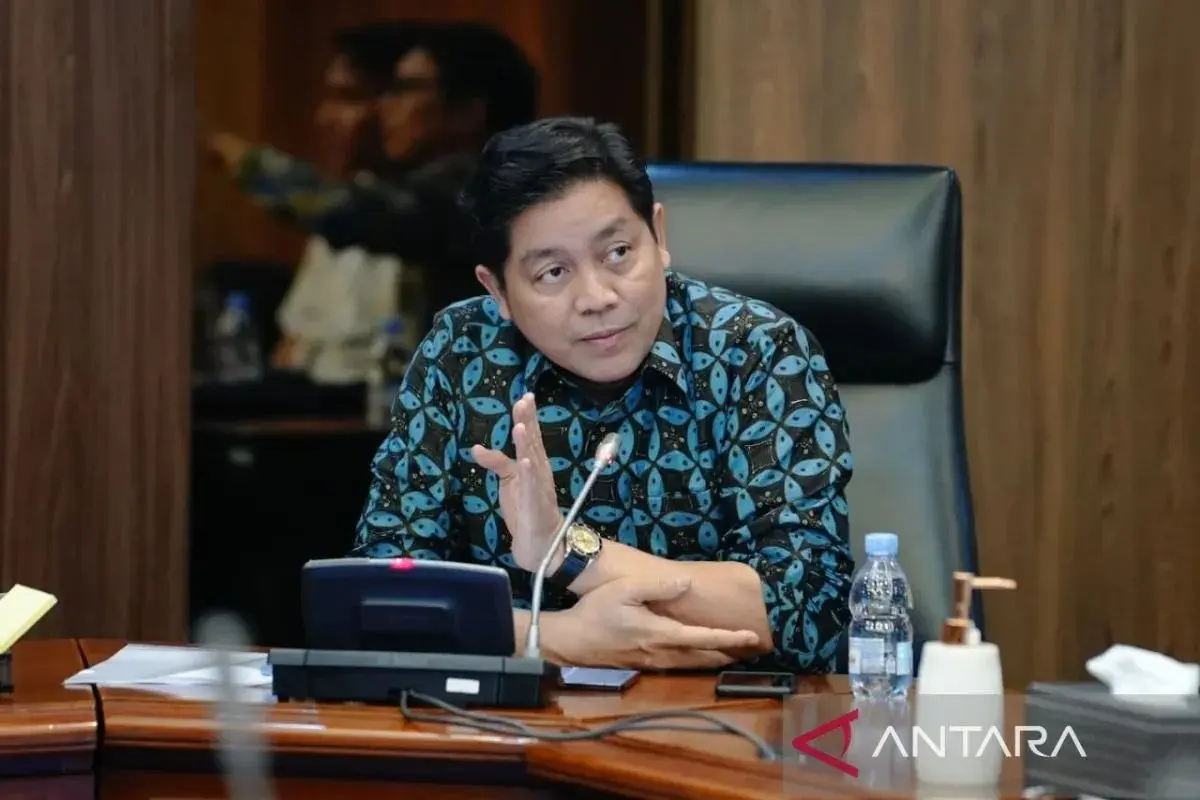


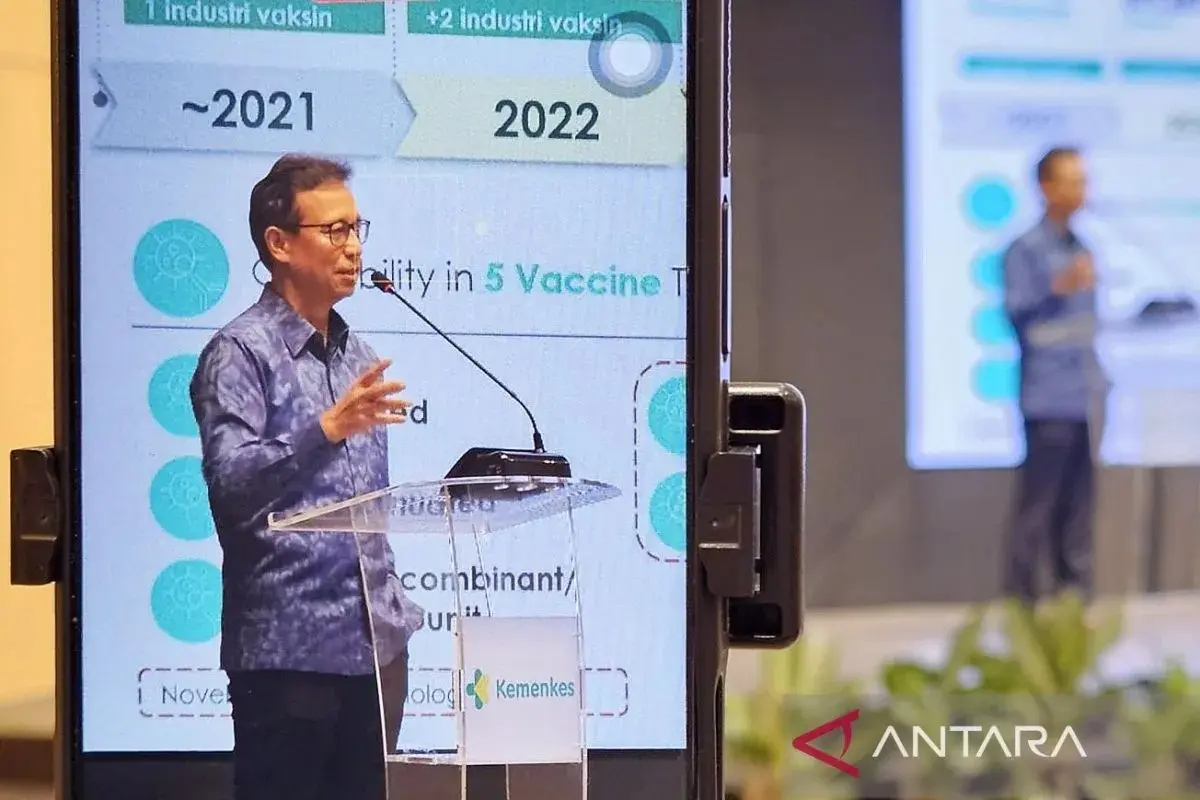
inp.polri.go.id - Jakarta. Health Minister Budi Gunadi Sadikin stated that his ministry is targeting the research and development of 11 vaccine antigens in Indonesia, so that 15 antigens can be produced independently by 2029.
He explained that Indonesia uses 15 antigens, the viral precursors used to make vaccines. Of these, 13 vaccines have been created, one of which contains multiple antigens. However, only four of the 15 can be produced independently.
"'Vaccine development can take a long time.' I don't believe it. For COVID-19, we can do it in 18 months, 20 months. Why do I always get the answer, 'We need 5-10 years?'" Budi asked on Thursday (7/9/2026).
So far, the 11 vaccines have been produced through a process similar to assembling a car or engine.
"We import the medicine from China and India and then we pour it into bottles and it's done," he said.
According to him, Indonesia does not yet possess viral factor technology like AstraZeneca and mRNA. Therefore, he wants to achieve two things: conducting research and development so that these vaccines can be 100% Indonesian-made, and increasing domestic capacity in developing vaccines from antigens or viral germs using these two technologies.
He aims to achieve vaccine independence before President Prabowo Subianto leaves office. Budi also requested assistance from the Ministry of Higher Education, Science, and Technology, the National Research and Innovation Agency (BRIN), and industries such as Bio Farma, as well as partners, to encourage technology transfer.
"The good thing about this is that you're not just doing research and development. You're also making the products. And there are people out there who are ready to buy and spend money on your products. So that's great, isn't it? That's an ideal situation," said Budi.
He believes that journals and research can contribute to society if they can be implemented as products to save people, and not just written on paper.
(ad/ndt/pr/rs)