

inp.polri.go.id - Jakarta. The Indonesian National Police (INP) Traffic Corps continues to implement digital transformation in the field of motor vehicle registration and identification. This step is being taken to improve public services, making them faster, more modern, transparent, and efficient.
The officials of INP Traffic Corps, Senior Superintendent Sumardji, explained that technological developments are driving the vehicle registration service system to shift from manual methods to a digital-based system.
"Specifically in the field of Registration and Identification, particularly for new vehicles, recent developments require us to shift from manual to online or digital," said Sumardji on Monday (5/11/2026).
This digital transformation has begun to be implemented through the use of digital invoices and digital physical checks in the motor vehicle registration process. This system is expected to simplify the public and expedite the vehicle administration process.
"Regarding vehicle registration, we have already begun implementing a vehicle registration system with digital invoices and digital physical checks. So, going forward, all vehicle registration systems will no longer use manual registration; everything will be digitalized," added Sumardji.
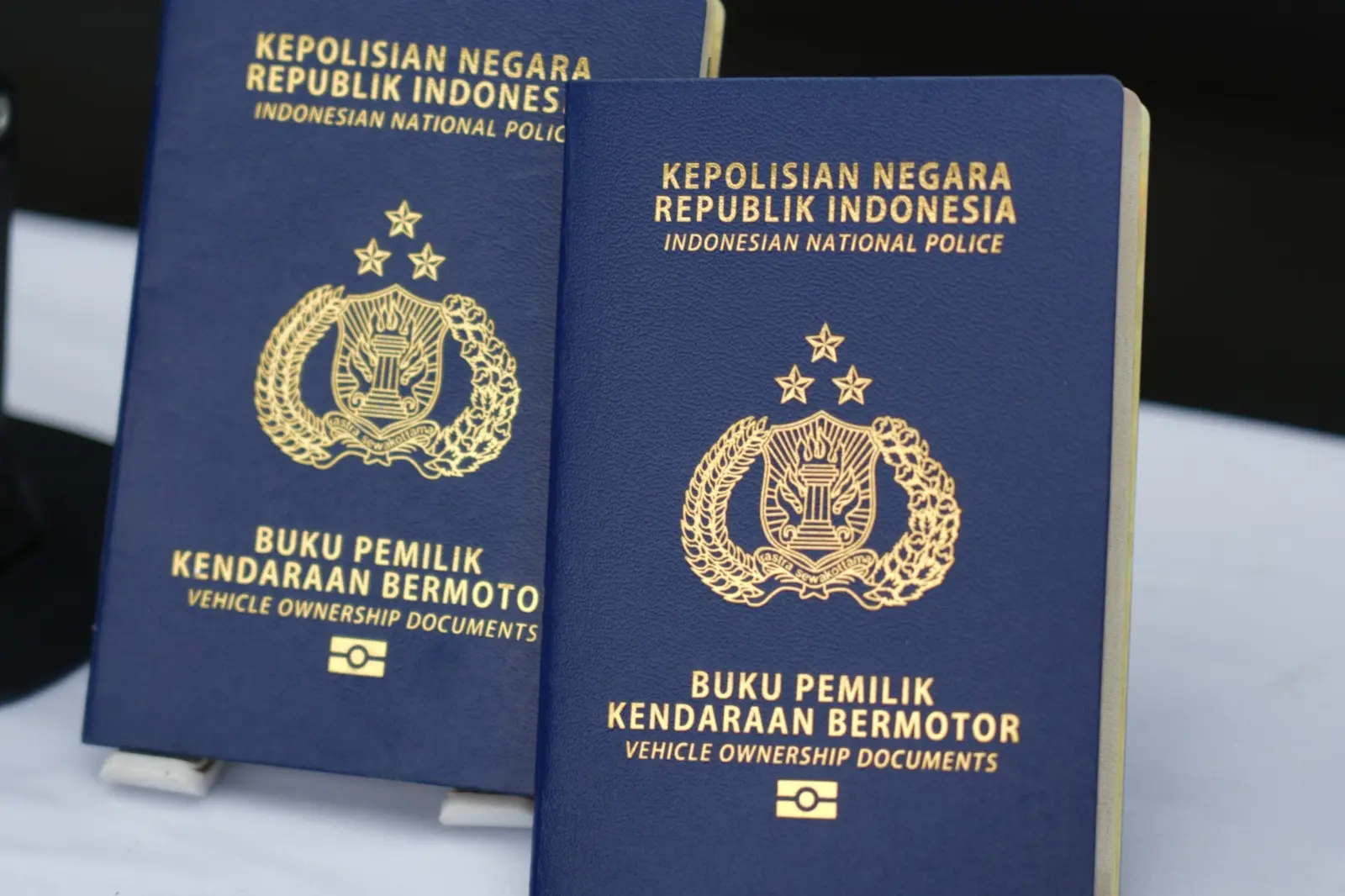
Furthermore, INP Traffic Corps is also preparing to implement the electronic Motor Vehicle Ownership Certificate (e-BPKB) to replace the current BPKB. This policy is part of the modernization of public services within the National Police.
"Regarding material usage, we are striving to eliminate the use of paper BPKBs, but rather e-BPKBs. And by January 1, 2027, everyone will be using e-BPKBs," explained Sumardji.
With the national implementation of e-BPKBs, all vehicle administration processes, including Vehicle Ownership Transfer Fees (BBN) 1 and BBN 2, will be conducted digitally, eliminating the need for manual systems.
The digitalization of the motor vehicle registration and identificationt service is expected to make it easier for the public to process vehicle documents while supporting the creation of more modern, effective, and accountable public services in the era of digital transformation.
(ad/nf/pr/rs)