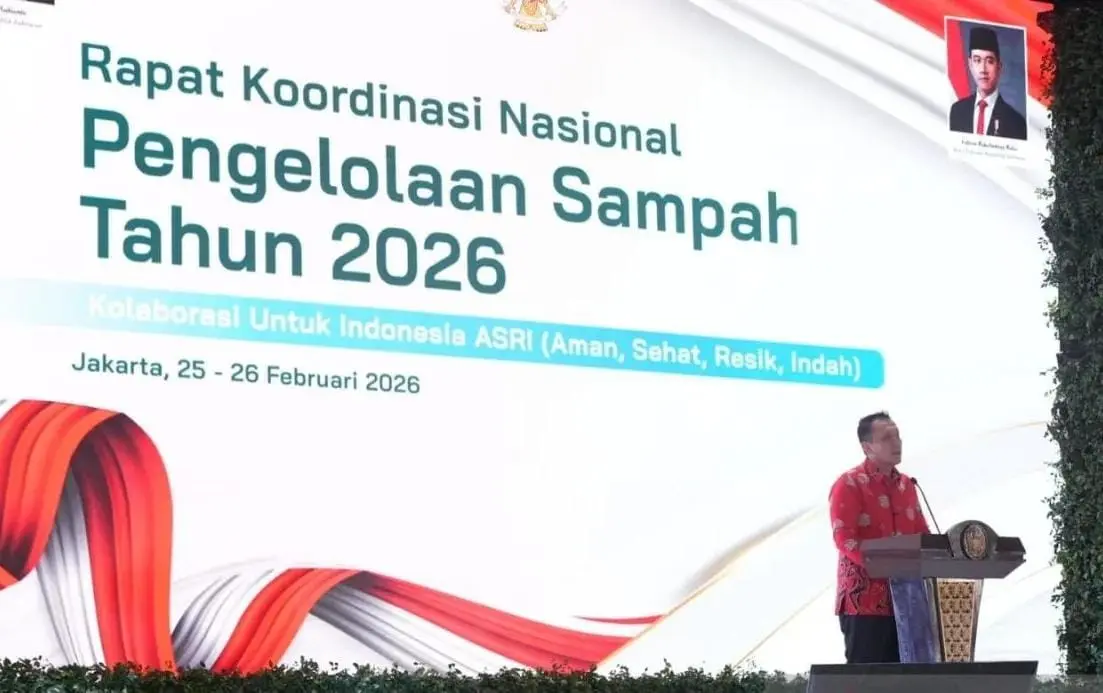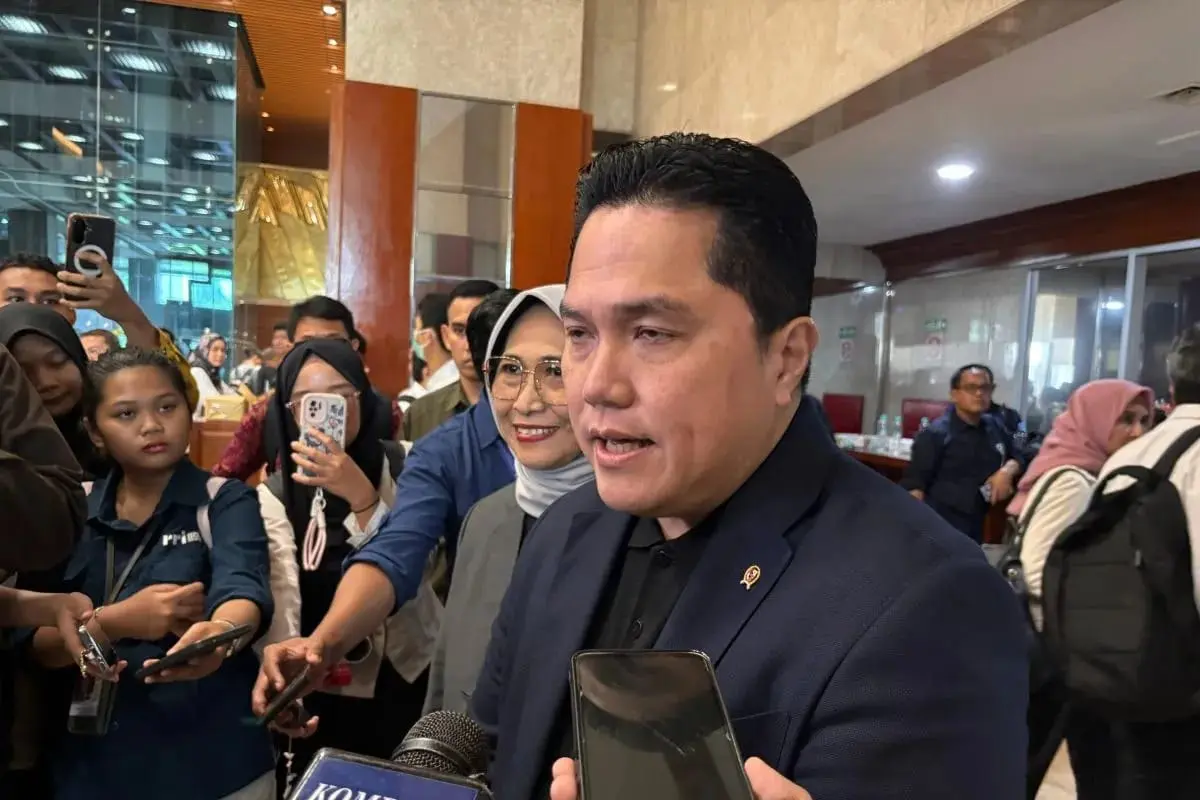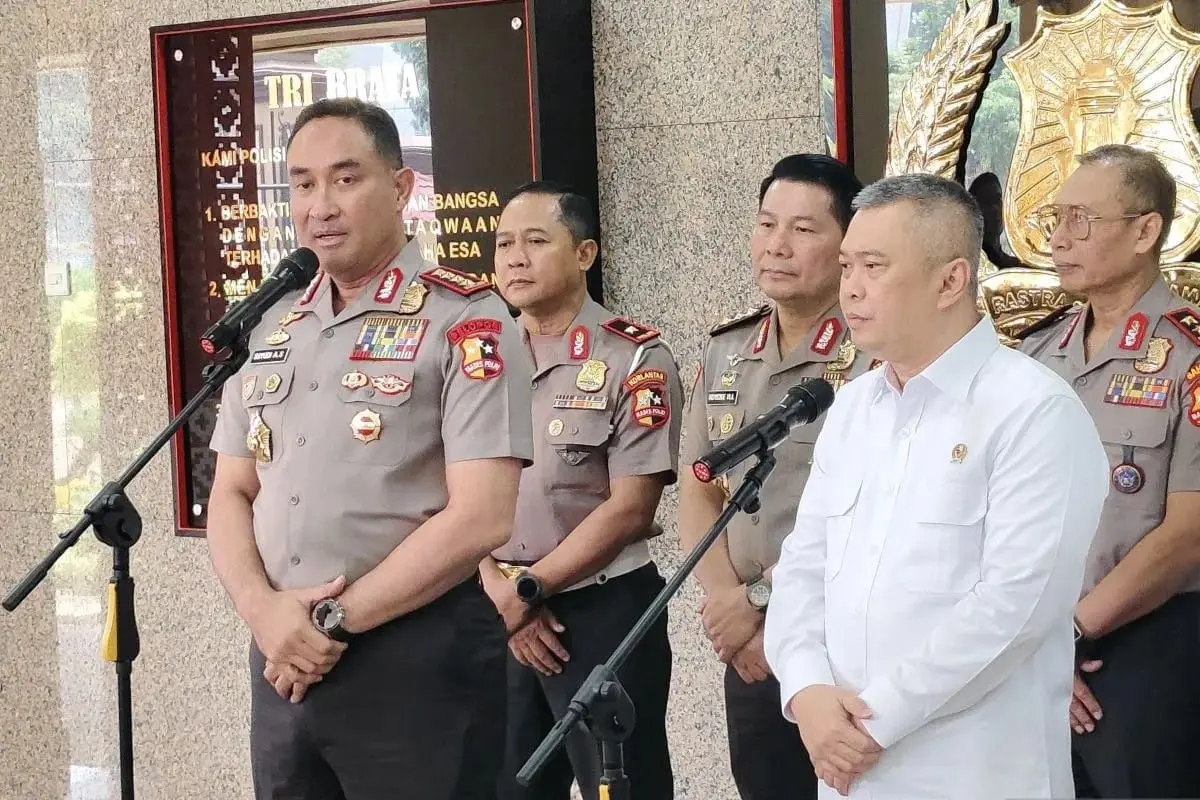
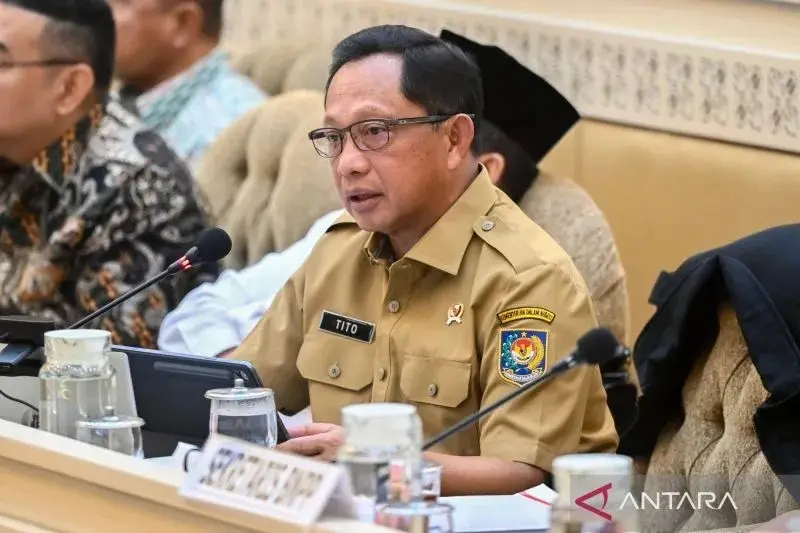
inp.polri.go.id - Jakarta. Minister of Home Affairs Muhammad Tito Karnavian emphasized that waste management cannot be done in isolation, but must be integrated from upstream to downstream so that this national problem can be addressed systematically and sustainably.
In his remarks, Tito reminded that Indonesia is currently among the top five waste producers in the world and the third largest contributor of plastic waste to the ocean. He stated that this situation should serve as a momentum for joint evaluation.
"I just want to add a few pieces of data to ensure that this event is not merely ceremonial but serves as a wake-up call," said Tito on Thursday (2/26/2026).
He emphasized that the waste problem is not merely a cleanliness issue, but also has a direct impact on public health and has economic value if managed properly.
Tito explained that waste management strategies can be divided into three approaches: upstream, downstream, and integrative. The upstream approach focuses on reducing waste at its source, from households to the village level.
"Now, this upstream approach is based on the environment, on the household level. So, every household, every neighborhood is urged to actively reduce, minimize, and then process waste in their respective environments from the start," he explained.
He cited several regions, such as Banyuwangi, Klungkung, and Subang, which are considered successful in implementing community-based waste management through early sorting, thus reducing the volume of waste entering the final processing site (TPA).
Furthermore, Tito highlighted the economic potential of processing organic waste through the cultivation of maggots or Black Soldier Fly (BSF) larvae. This innovation is considered capable of reducing waste volume while producing value-added products such as animal feed and fertilizer, in line with circular economy principles.
On the downstream side, he emphasized the importance of strengthening waste transportation and processing systems, especially in urban areas with high volumes. The use of technology is considered a solution as long as it is supported by consistent governance and oversight.
Through this National Coordination Meeting, the Minister of Home Affairs hopes that waste management will no longer be reactive but will instead become a structured and sustainable collaborative movement.
(ad/ndt/pr/rs)